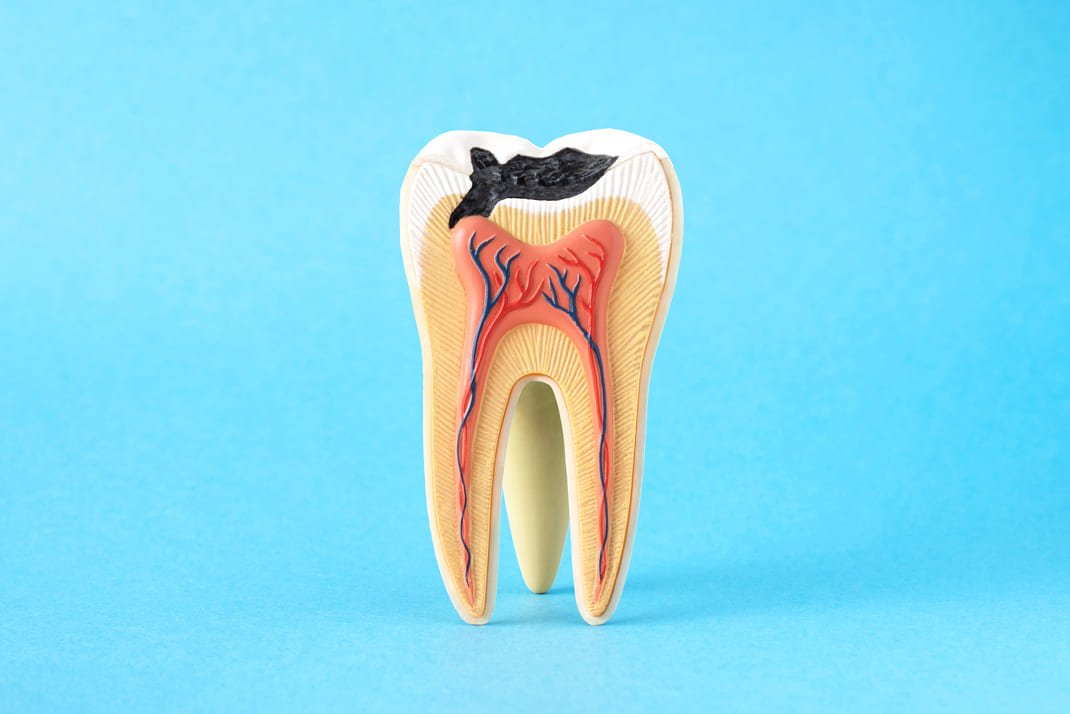


Some dental problems may not be easily detected during an oral examination. Cavities between teeth, infections at the roots of teeth, and changes in the jawbone can be evaluated in greater detail with the help of dental X-rays.

In Which Situations Are Dental X-Rays Taken?
Dental X-rays are used when deemed necessary by the dentist to support diagnosis and plan treatment. The most common situations include:
- Hidden tooth decay: Detecting cavities that develop between teeth and are difficult to identify with the naked eye.
- Toothache: Evaluating possible causes of pain and the tissues surrounding the tooth roots.
- Root canal treatment: Examining root canals and surrounding tissues.
- Impacted teeth: Determining the position of teeth that have not erupted, particularly wisdom teeth.
- Gum disease: Assessing bone loss in the tissues that support the teeth.
- Dental implants and tooth extractions: Examining the teeth, bone structure, and surrounding anatomical structures before treatment.
Is an X-Ray Taken at Every Dental Check-Up?
No. Dental X-rays are not necessary at every dental visit. The need for imaging is determined based on the patient’s oral health, symptoms, risk of tooth decay, and previous X-ray results. The aim is to obtain sufficient information for an accurate diagnosis while avoiding unnecessary radiation exposure.
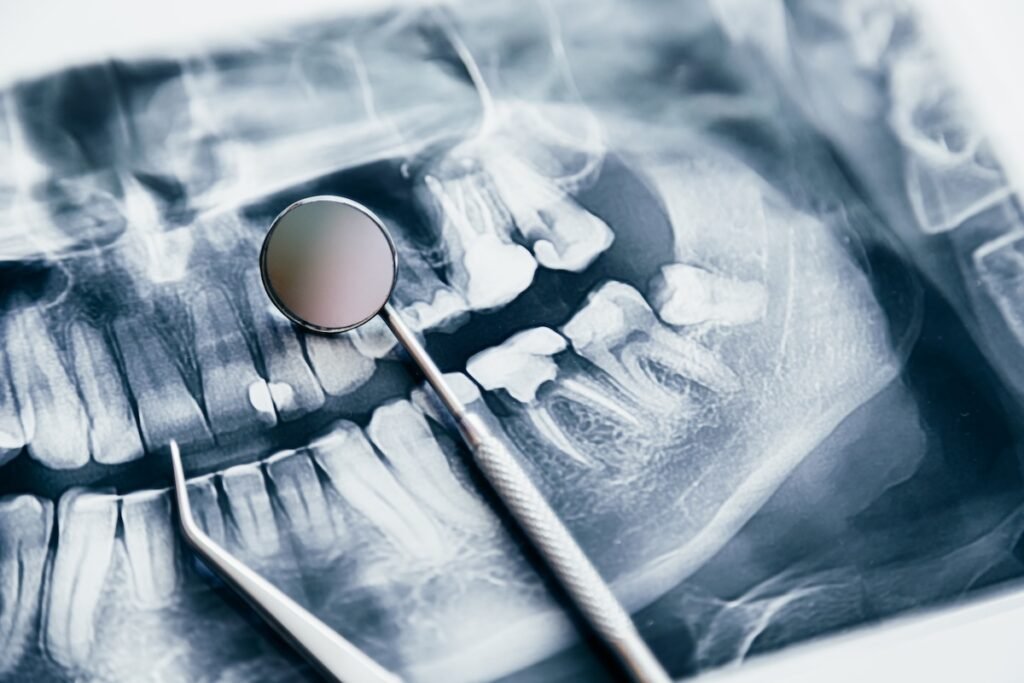
Are Dental X-Rays Harmful?
Dental X-rays use low doses of ionizing radiation. Therefore, it is important to take them only when necessary, select the appropriate imaging technique, and avoid unnecessary repeat examinations. If you are pregnant or suspect that you may be pregnant, inform your dentist beforehand.
Dental X-rays are an important diagnostic tool that helps identify dental and jaw problems that cannot be seen during a routine examination. However, the same imaging method is not necessary for every patient. The most appropriate method is determined by the dentist following an examination.
If you experience symptoms such as toothache, sensitivity, or bleeding gums, you can visit our İnci Diş clinics for an early assessment and information about treatment costs.