
What Are the Symptoms of Teeth Clenching (Bruxism)?
Teeth clenching is a condition in which a person clenches or grinds their teeth during the day or while sleeping.
In daily life, it may occur due to stress, distress, inability to sleep, or dental problems. If left untreated or ignored for a long period, it may lead to jaw joint pain, tooth enamel wear, pain in the head and neck area, and fatigue upon waking in the morning. If teeth clenching becomes persistent throughout the day, tension may develop in the jaw joint and muscles, resulting in both functional and aesthetic problems.
What Are the Symptoms of Teeth Clenching?
• Tooth wear and cracks, tooth sensitivity
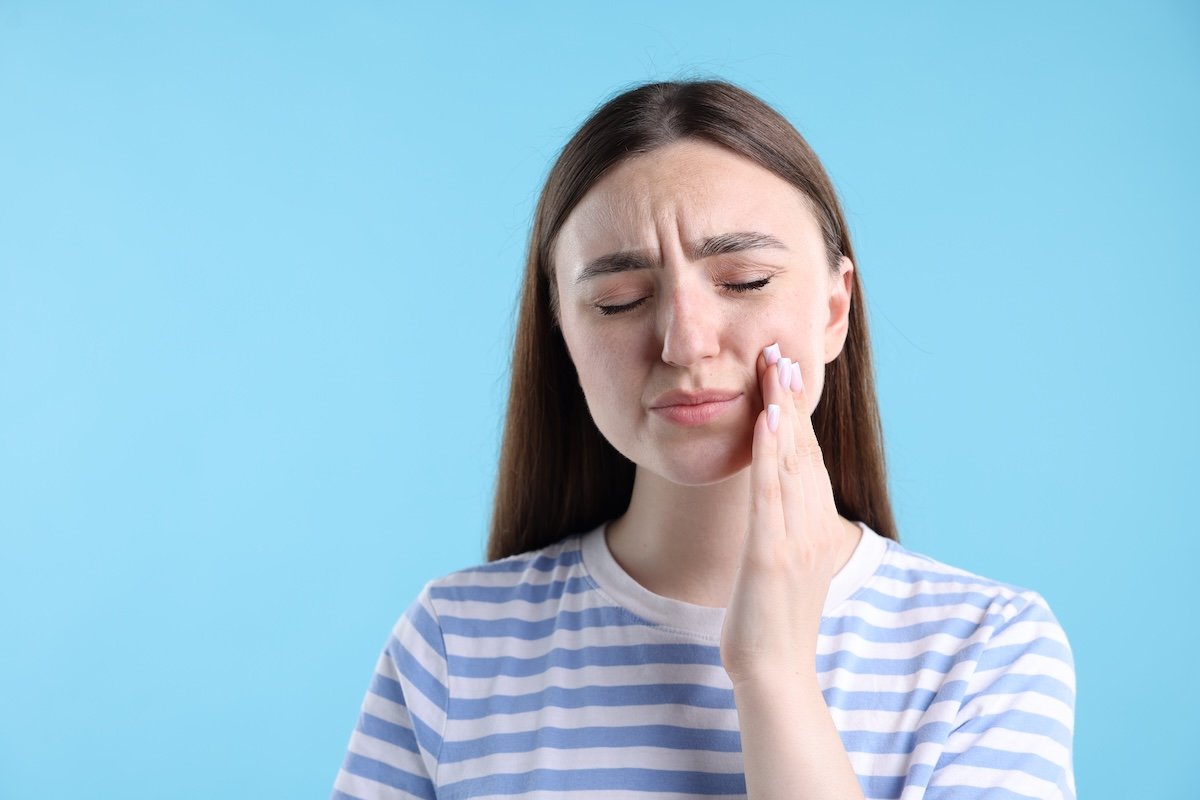
• Jaw pain
• Pain in the head, forehead, ears, and neck
• Clicking or other sounds in the jaw joint
• Teeth grinding during sleep
• Jaw cramps and difficulty opening the mouth
• Fractures in fillings or dental prostheses
• Reduced sleep quality
• Genetic predisposition
WHAT ARE THE EFFECTS OF TEETH GRINDING ON JAW HEALTH?
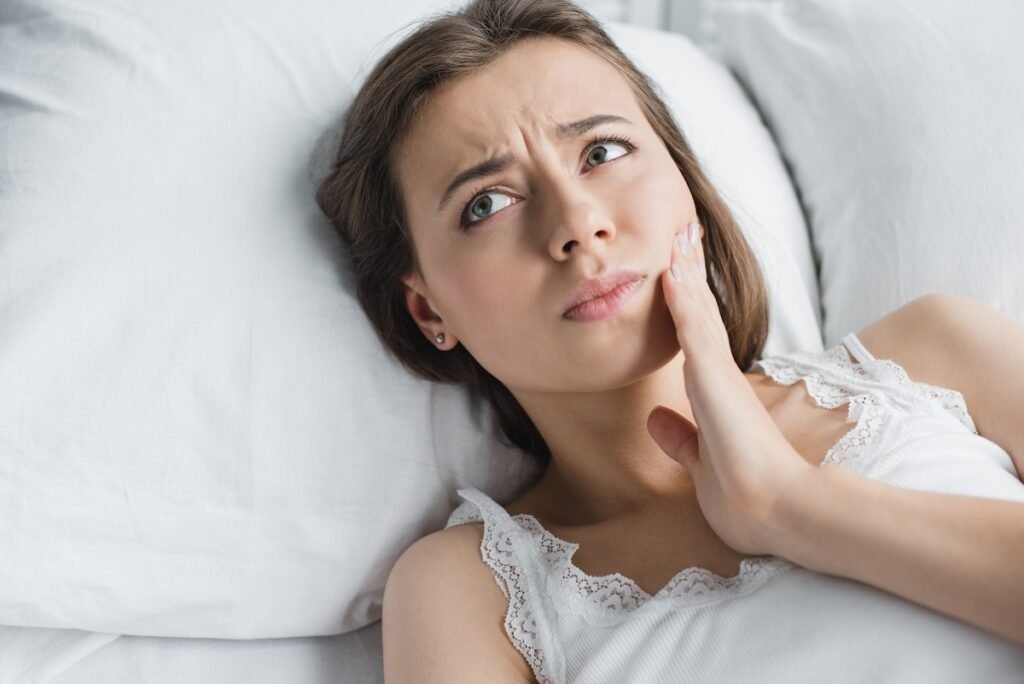
Jaw Joint Pain
The pressure applied to the jaw joint during teeth grinding may strain the joint structure, causing sensitivity, pain, and restricted movement. This may lead to permanent damage to the jaw joint. If the condition is ignored or left untreated, symptoms such as a clicking sound when opening and closing the mouth, pain while chewing, and stiffness in the jaw muscles may develop over time.
During teeth clenching, the jaw muscles work harder than normal. The resulting tension places excessive strain on the jaw muscles, restricts jaw movement, and makes chewing more difficult. Pain in the face, ears, and neck may also occur frequently.
Weakening of the Teeth and Jawbone
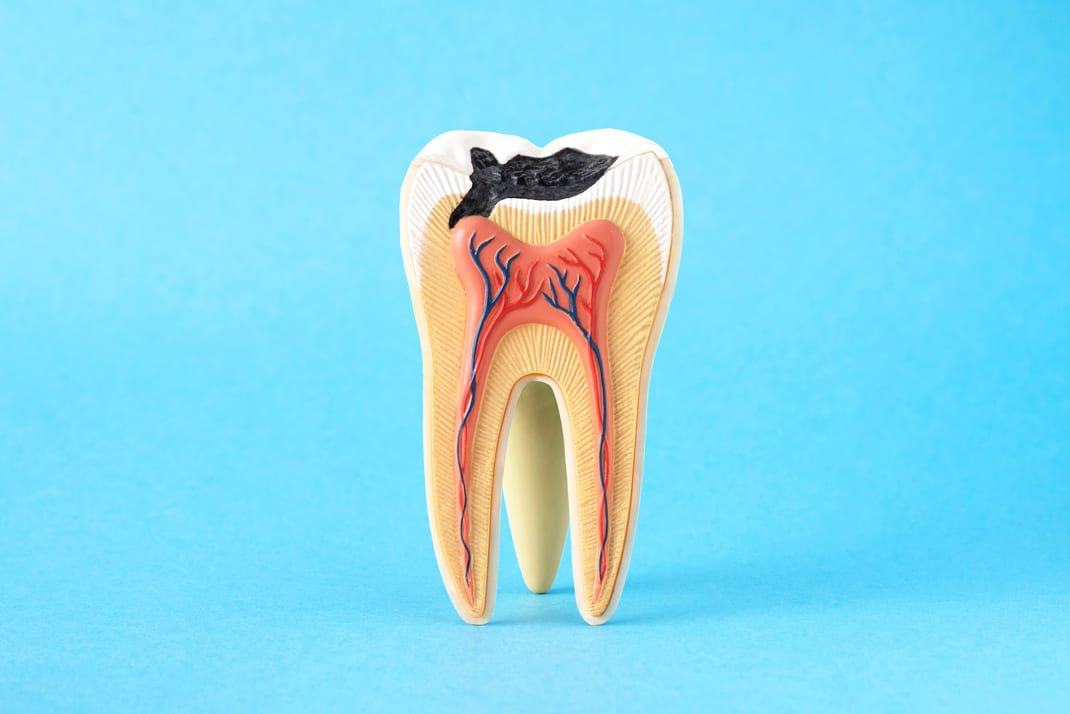
Teeth grinding causes the teeth to flatten due to continuous friction and may also affect the jawbone. Constant friction between the teeth can cause fine cracks in the tooth enamel and, if no precautions are taken, may eventually lead to cracking and fractures.
As the teeth continue to rub against each other and wear down, the jawbone may also be affected. The natural structure of the teeth weakens and deterioration may occur. In advanced stages, this process may result in tooth loss.
Changes in Facial Structure and Aesthetic Problems
Continuous activity and excessive strain on the jaw muscles may affect the facial muscles over time and cause asymmetry and aesthetic concerns. The natural contours of the face may change, and the jawline may become more prominent due to clenching.
WHAT ARE THE TREATMENT METHODS FOR BRUXISM?
Treatment for teeth grinding includes various methods aimed at protecting jaw health. The appropriate treatment is determined according to the individual’s level of teeth clenching and its effects on jaw health.
Use of a Night Guard
A night guard is one of the commonly preferred methods for treating teeth clenching. It prevents the teeth from rubbing against each other. These guards are custom-made by dentists using individual dental impressions and help reduce pressure on the jaw joint.
Stress Management and Relaxation Techniques
Stress is one of the main causes of teeth clenching. Stress management and relaxation techniques can be beneficial for jaw health. Stress-reducing activities such as yoga or breathing exercises may help relax the jaw muscles.
Botox Treatment
Masseter Botox may be administered by your doctor following an examination and according to the severity of teeth clenching. It helps reduce excessive activity of the jaw muscles.
Medication
Medication may be used in the treatment of teeth grinding. Muscle relaxants may help relax the jaw muscles and reduce teeth grinding. However, medication may not be suitable for every individual and should always be used under medical supervision.
Regular Dental/Medical Check-ups
To protect your dental and jaw health, regular check-ups should be performed every six months or once a year. Regular examinations and adherence to the treatment process contribute to maintaining jaw health and achieving long-term results.
If you would like to have a general examination and receive detailed pricing information, you can visit our clinic