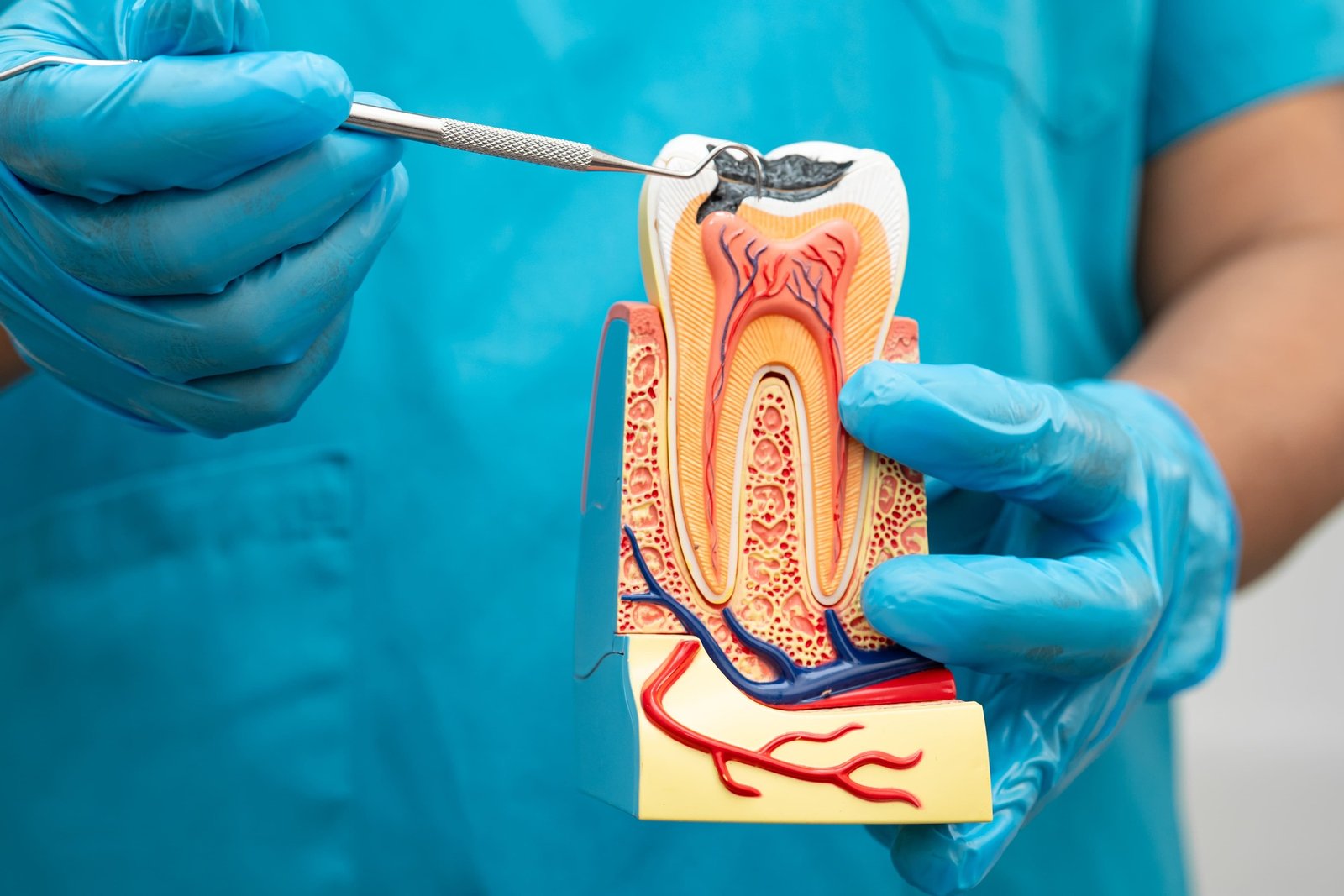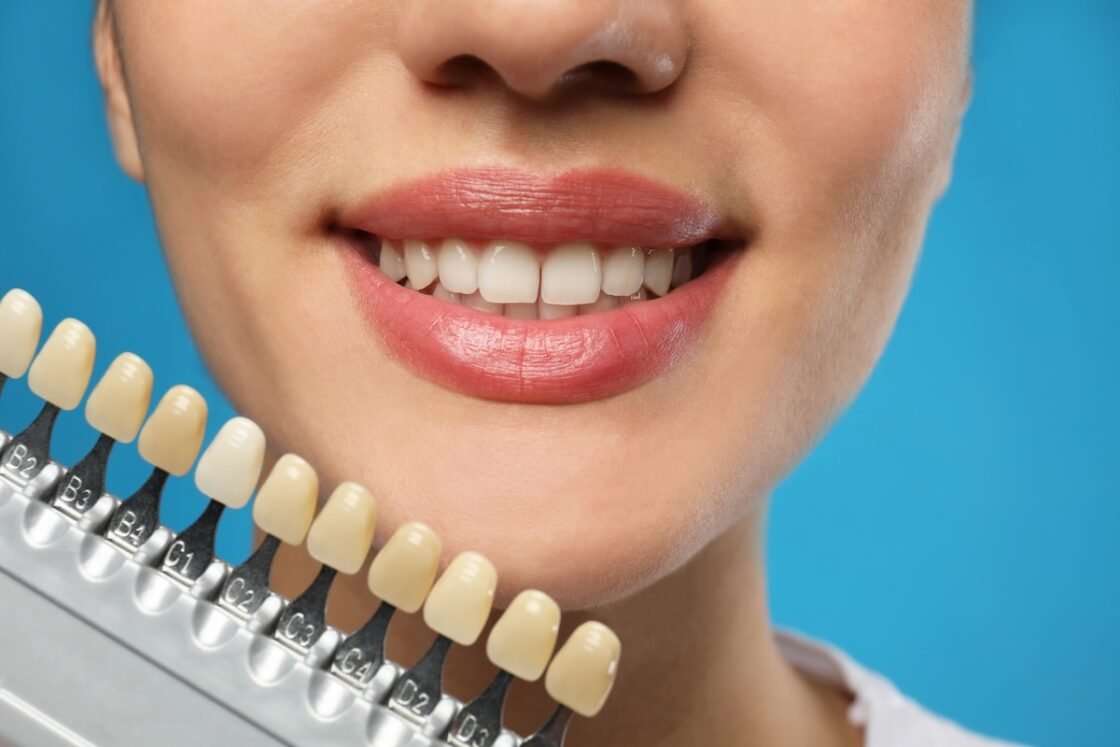

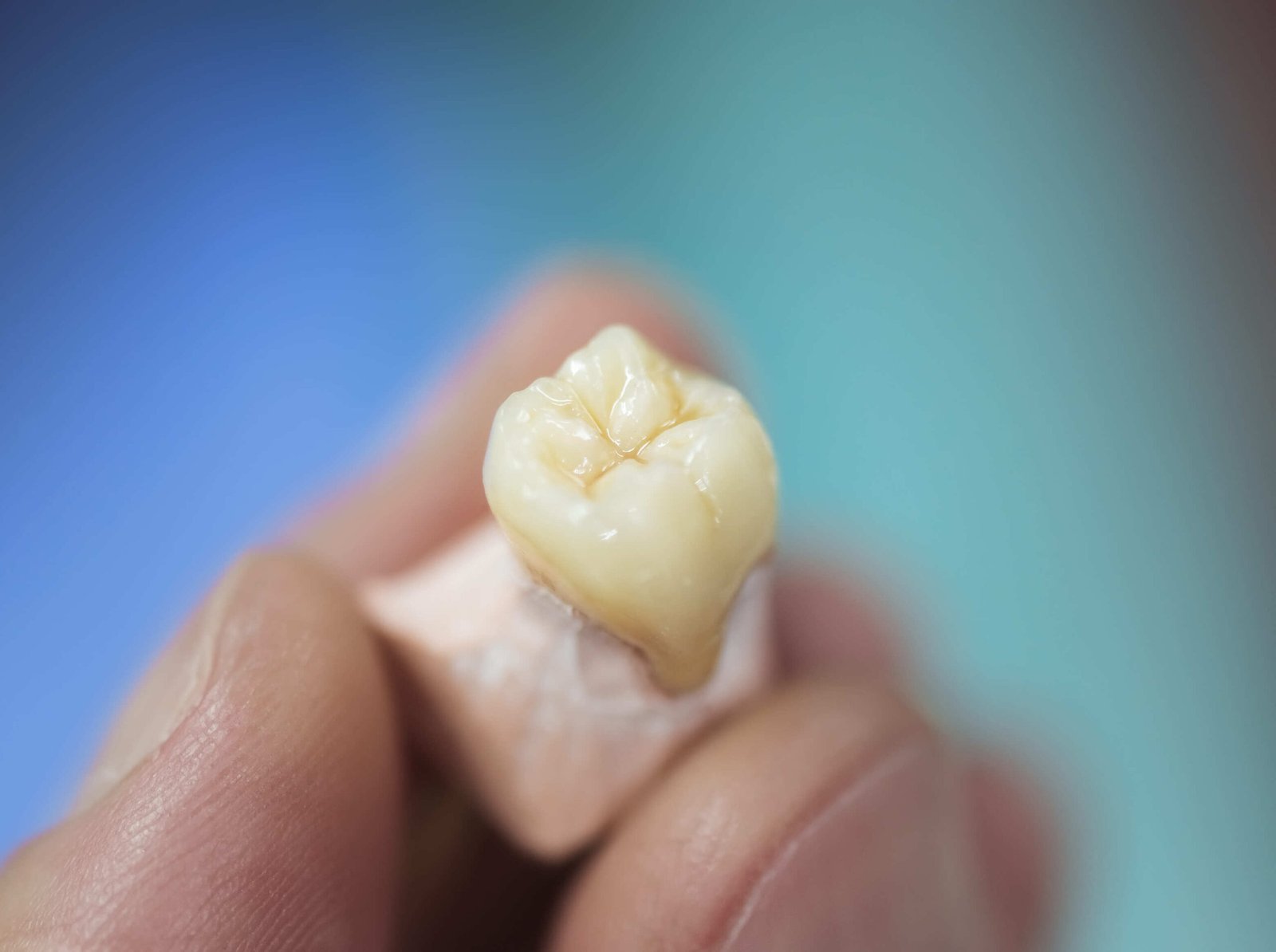
Dental crowns are treatments used to protect damaged teeth or improve the appearance of teeth for aesthetic purposes. However, patients who have dental crowns often wonder: “Can tooth decay develop under a crown?” Yes, decay can develop around or underneath a tooth protected by a crown. Although a crown covers the visible part of the tooth, it does not completely isolate all of the tooth tissue from the factors that cause decay. In particular, inadequate oral hygiene around the areas where the crown meets the natural tooth can increase the risk of decay.
How Does Tooth Decay Develop Under a Crown?
A crown is a restoration that is cemented onto a tooth. The natural tooth tissue beneath the crown may remain vital and is not necessarily completely isolated from bacteria in the oral environment. If bacterial plaque accumulates around the edge of the crown, decay may begin along the gum line. Over time, this decay can progress toward the tooth tissue underneath the crown.
Factors That May Contribute to Tooth Decay
• Inadequate oral and dental hygiene
• Accumulation of plaque and food around the crown margins
• Neglecting to use dental floss
•Frequent and uncontrolled consumption of sugary foods and drinks
•Gaps or poor adaptation at the crown margins
•Placing a crown on a tooth with pre-existing decay that has not been adequately treated
•Skipping regular dental check-ups
How Can You Tell if There Is Decay Under a Crown?
Since a crown covers most of the tooth, decay developing underneath it cannot always be detected simply by looking in the mirror. In fact, decay may not cause any symptoms until it has reached a certain stage.
Some possible signs include:
•Sensitivity around the crown: Sensitivity may occur, particularly after consuming hot, cold, or sweet foods and drinks.
•Bad breath or an unpleasant taste: The accumulation of bacteria and food around the crown margins may cause bad breath.
•Discoloration around the crown margin: Darkening or changes in color may be noticed along the gum line.
•Pain when chewing: Pain during chewing may occur if the decay progresses or affects the nerve tissue of the tooth.
•Crown mobility: The crown may become loose if the tooth structure is damaged or the connection between the crown and tooth becomes compromised.
However, none of these signs alone confirms that there is decay underneath the crown. A definitive evaluation requires a dental examination and, when necessary, radiographic imaging.
Why May Decay Under a Crown Go Unnoticed?
Because a crown covers a large portion of the natural tooth, early-stage decay may not be visible to the naked eye. As a result, patients may sometimes have decay for a long time without experiencing any symptoms. In particular, if the tooth has previously undergone root canal treatment and the nerve tissue has been removed, pain may not occur even when the decay progresses.
Therefore, the assumption that “I have no pain, so there cannot be a problem under my crown” is not always correct.
Regular dental check-ups can help identify potential problems before symptoms appear.
Does the Crown Need to Be Removed if There Is Decay Underneath?
The same procedure is not required in every case. The treatment plan depends on where the decay is located, how advanced it is, how much healthy tooth structure remains, and the condition of the existing crown.
In some cases, the decay can be treated from the edge of the crown. However, if the decay has progressed underneath the crown, removing the crown may be necessary. Depending on the condition of the tooth, different treatment options such as a filling, root canal treatment, or a new crown may be considered.
In cases involving extensive loss of tooth structure, the dentist will also assess whether the tooth can be preserved.
Is It Possible to Prevent Tooth Decay Under a Crown?
After getting a crown, it is very important to continue taking care of both the natural tooth structure and the area around the crown. Brushing the teeth at least twice a day using an appropriate technique and cleaning around the crown margins and between the teeth with dental floss or interdental cleaning tools recommended by your dentist can help reduce plaque accumulation.
•The frequency of consuming sugary and sticky foods should be reduced.
•Dental floss should be used regularly around the crown area.
•Regular dental check-ups should be scheduled at intervals recommended by your dentist.
•If you notice movement, a fracture, or a gap around the crown, you should consult your dentist without delay.
Having a dental crown does not mean that the tooth can no longer develop decay. When properly placed, dental crowns can help protect a tooth and maintain its function. However, a crown does not completely eliminate the risk of tooth decay.
Keeping the area where the crown meets the natural tooth clean is particularly important. With regular oral hygiene and routine dental check-ups, problems around the crown can be detected at an early stage.
For detailed information about treatment options and pricing, you are welcome to visit our clinic.