
Eating with dentures is one of the most common concerns, especially during the initial period of denture use. Can hard foods damage dentures? Can sticky foods cause dentures to come loose? Is it possible to chew comfortably with dentures?
When properly fitted, dentures can help people maintain everyday activities such as eating and speaking more comfortably. However, some foods should be consumed with greater caution when wearing dentures.
Hard and sticky foods in particular should be consumed carefully, as they may increase the movement of dentures in the mouth or make chewing more difficult.

Can You Eat Hard Foods with Dentures?
People who wear dentures may not need to completely eliminate hard foods from their diet. However, it is important to be careful when consuming them.
Biting directly into ice, hard candies, very hard nuts, and other hard foods can place excessive pressure on dentures. For people who wear removable dentures, this may cause the denture to move out of position or create discomfort in the mouth.
When eating hard foods, cutting them into small pieces and chewing them carefully, preferably with the back teeth, can provide a more comfortable experience.
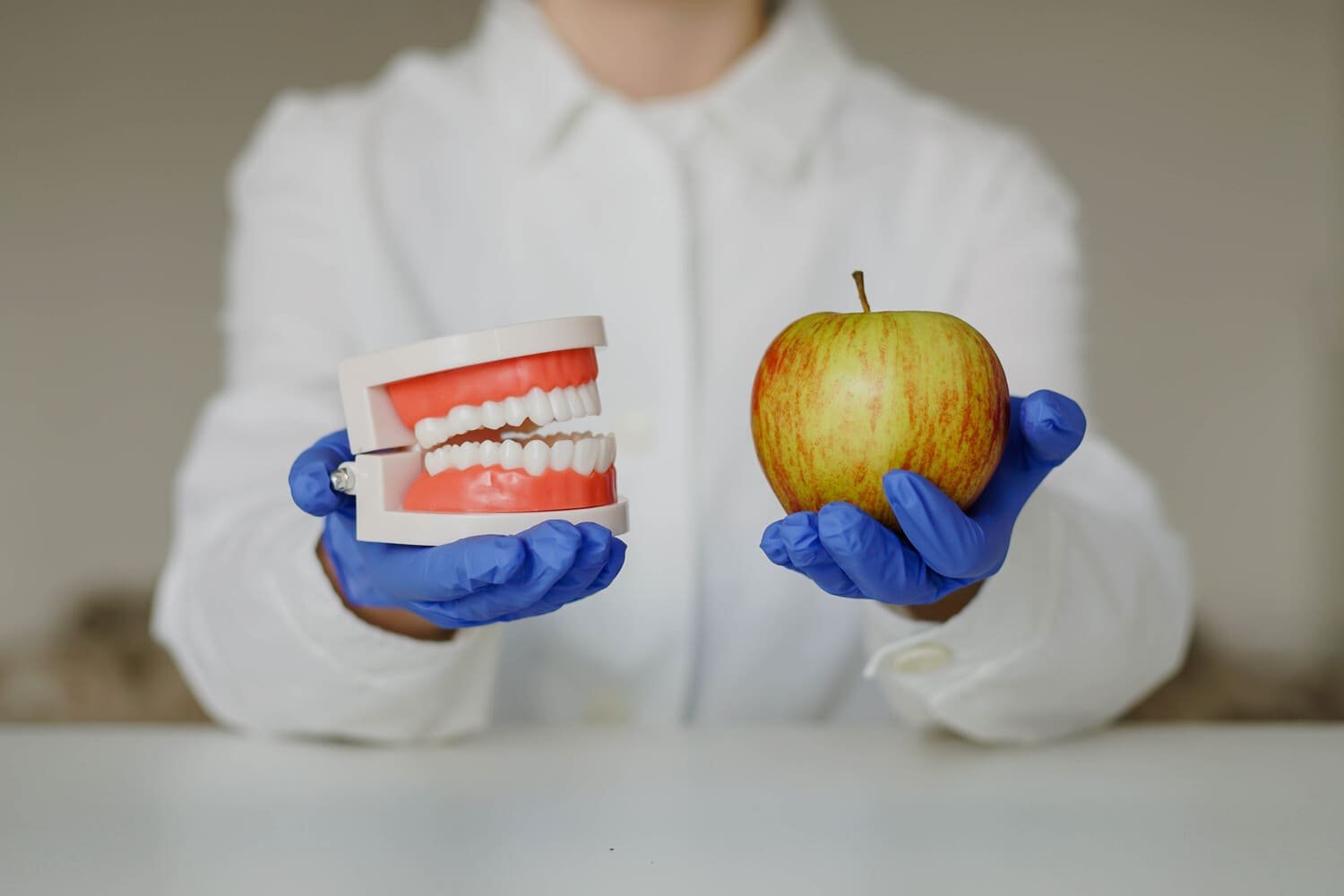
For example, instead of biting directly into hard foods such as apples or carrots, it may be preferable to cut them into small pieces before eating.
Can You Eat Sticky Foods with Dentures?
When sticky foods are consumed with dentures, especially removable dentures, extra caution is recommended.
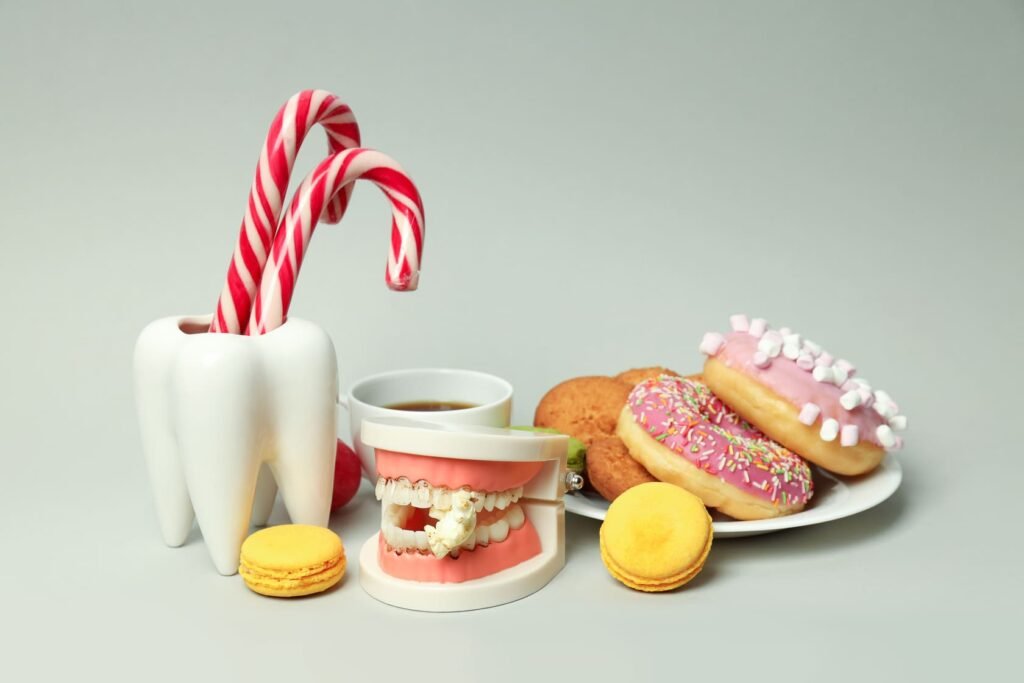
Chewing gum, caramel candies, Turkish delight, and certain sticky dried fruits may stick to the surface or edges of dentures. The pulling force created during chewing may also cause the denture to move. For this reason, people who wear dentures are generally advised to limit sticky foods as much as possible.
In addition, sticky foods containing sugar can remain in the mouth for a long time and negatively affect oral hygiene. Therefore, it is important to pay attention to oral and denture cleaning after consuming such foods.
What Should You Consider When Eating with Dentures?
Eating with dentures can become easier and more comfortable once you develop the right habits.
Especially during the first few days, people who have recently started using dentures may benefit from following these recommendations:
• Eat food in small bites.
• Choose softer foods during the initial period.
• Cut hard foods into small pieces.
• Chew slowly and carefully.
• Try to chew evenly on both sides whenever possible.
• Limit very sticky foods.
• Pay attention to cleaning your dentures and mouth after meals.
These habits may help reduce some of the problems that people with removable dentures may experience while chewing, particularly during the adaptation period.
Which Foods Should You Prefer with Dentures?
It may take some time for the mouth and jaw muscles to adapt to new dentures. Therefore, starting with softer and easier-to-chew foods may be more comfortable during the first few days.
Foods such as soup, yogurt, eggs, soft cheese, well-cooked vegetables, pasta, and tender meat can be preferred during the initial adjustment period. As you become accustomed to wearing dentures, different foods can gradually be added to your diet.
However, every person’s denture type and oral structure are different. Therefore, especially for people who have recently started using dentures, it is important to follow their dentist’s recommendations.
Which Foods Should Denture Wearers Avoid?
It would not be accurate to say that people with dentures must completely avoid every hard or sticky food. However, greater caution is needed with certain foods.
In particular:
• Very hard candies
• Ice
• Very hard nuts
• Highly sticky foods such as caramel
• Chewing gum
• Very tough or undercooked meat
These foods may make chewing more difficult for denture wearers.
The important factors here are the type of denture, the individual’s oral structure, how well the denture fits, and the person’s chewing habits.
Is It Possible to Eat Comfortably with Dentures?
Yes. Once the adjustment period is complete, many people can largely continue their normal eating habits with dentures. However, for dentures to be used comfortably, they need to be suitable for the individual’s oral structure, properly fitted, used correctly, and maintained regularly.
Cutting hard foods into smaller pieces, limiting sticky foods, and chewing slowly can help improve comfort when using dentures.
If your dentures constantly move while eating, cause pain, create sores in your mouth, or make chewing difficult, their fit should be evaluated by a dentist.
With the right choice of dentures, regular maintenance, and proper usage habits, it is possible to enjoy a more comfortable eating experience with dentures.
For detailed information, examination, and pricing, we welcome you to our clinic