
A cracked tooth may require root canal treatment if it causes pain while chewing, sensitivity to hot or cold foods and drinks, or discomfort in the tooth. However, not every cracked tooth requires root canal treatment. Whether treatment is necessary depends on where the crack is located, how far it has progressed, and whether it has affected the nerve tissue inside the tooth. When a crack is noticed, it is important not to wait for the pain to go away on its own, but to have the tooth examined by a dentist.

Why Does a Tooth Crack?
Teeth are highly durable structures, but cracks can develop over time for various reasons. Eating hard foods, clenching or grinding the teeth, large fillings, trauma, and tooth wear can increase the risk of developing cracks.
Some cracks are superficial and affect only the enamel, while others may extend into the deeper layers of the tooth. The depth and location of the crack play an important role in determining the appropriate treatment.
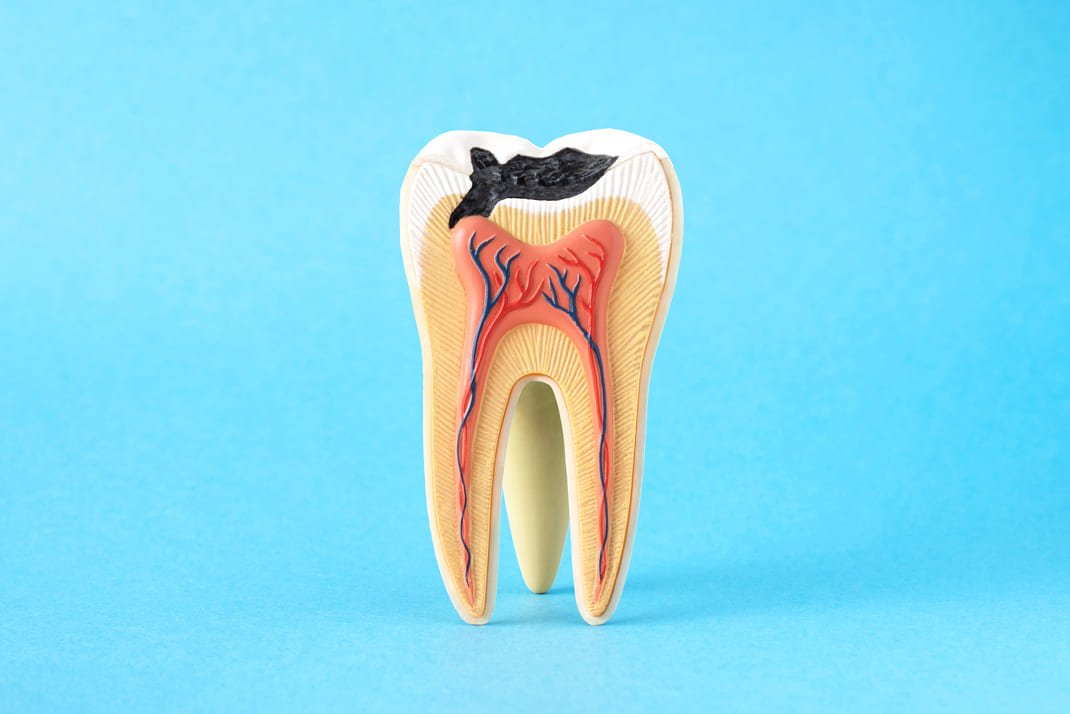
Having a cracked tooth does not necessarily mean that root canal treatment is required. If the crack is limited to the outer layers of the tooth and has not affected the pulp tissue, which contains the nerves and blood vessels, root canal treatment may not be necessary. In such cases, the dentist may recommend monitoring the crack, placing a filling, or performing another procedure to protect the tooth.
However, if the crack extends into the inner part of the tooth and causes inflammation of the pulp tissue, root canal treatment may be necessary.
What Symptoms May Indicate the Need for Root Canal Treatment?
• Significant sensitivity to hot or cold foods and drinks
• Pain when chewing or biting
• Pain that continues after biting
• Toothache that becomes worse at night
• Throbbing pain in the tooth
• Swelling or tenderness of the gums, an abscess, or signs of infection
The presence of these symptoms does not necessarily mean that root canal treatment is definitely required, as other treatment options may also be appropriate. For an accurate diagnosis, a dental examination and X-ray evaluation are required. Following the examination, the appropriate treatment options can be determined. You can visit our clinic for information about treatment procedures and pricing.
Cracks in teeth can occur in different forms. Some superficial cracks may not cause any symptoms, while deeper cracks can cause significant pain during chewing. Treatment can become more complicated, particularly when a crack extends toward the root of the tooth. Whether the tooth can be saved is determined by evaluating the location and extent of the crack.
Cracks generally do not heal on their own. Depending on their location, they may progress over time. In particular, the forces generated during chewing can cause the crack to widen and result in further damage to the tooth. When a crack reaches the pulp tissue, pain and sensitivity may occur. In more advanced cases, an infection may develop.
For this reason, when a crack is noticed in a tooth, it is important to consult a dentist at an early stage. Early evaluation can help determine the appropriate treatment and may help preserve the natural tooth as much as possible.
Can a Cracked Tooth Be Saved?
In many cases, a cracked tooth can be treated and preserved in the mouth, depending on the location and depth of the crack. However, if the crack has extended along the root or is too deep to allow the tooth to be preserved, other treatment options may need to be considered.
What Should You Do If You Notice a Cracked Tooth?
If you think you have a cracked tooth, avoid chewing hard foods on the affected side and see a dentist for an examination as soon as possible.
If you experience severe pain, swelling of the face or gums, fever, or signs of infection in the mouth, you should seek dental evaluation without delay.
Early diagnosis can help determine the appropriate treatment and may help preserve your natural tooth for as long as possible.