

Les obturations composites (obturations blanches) figurent parmi les matériaux de restauration les plus prisés aujourd'hui, grâce à leur aspect esthétique et à leur fonctionnalité. Elles sont composées d'une structure résineuse (à base de plastique) associée à des particules de verre ou de céramique. Elles adhèrent à la dent par des forces mécaniques et chimiques. Elles sont classées selon leur composition, leur domaine d'utilisation et leur méthode d'application.
1. Composites selon la taille des particules
Composites à macrocharge
Ils contiennent de grosses particules (environ 10 à 100 microns). Ce sont les composites les plus anciens. Leur durabilité est acceptable, mais leur surface est souvent rugueuse et peut se tacher avec le temps. Sur le plan esthétique, ils ne sont pas très satisfaisants.
Composites à microcharge
Elles contiennent des particules très fines (environ 0,04 micron). Leur principal atout réside dans leur excellente aptitude au polissage et leur aspect naturel. Cependant, leur faible résistance les rend principalement réservées aux dents antérieures (de devant).
Composites hybrides
Elles contiennent des particules de différentes tailles, alliant esthétique et durabilité. Elles peuvent être utilisées sans problème sur les dents antérieures et postérieures.
Composites nanohybrides et nanofill
Il s'agit des composites de dernière génération. Ils contiennent des nanoparticules, offrant à la fois une grande résistance et un aspect naturel, semblable à celui des dents. Durables, ils sont actuellement les plus prisés.

2. Composites selon le domaine d'utilisation
Composites antérieurs
Utilisées pour les dents de devant, où l'esthétique est primordiale, elles transmettent mieux la lumière et offrent un aspect plus naturel et translucide.
Composites postérieurs
Conçues pour les molaires, elles sont plus résistantes à la mastication et possèdent une structure plus robuste.
Composites universels
Adaptées aux dents de devant comme aux dents du fond, elles sont très appréciées pour leur côté pratique.
3. Composites selon la cohérence
Composites fluides
Leur consistance est plus fluide. Elles s'utilisent dans les petites cavités ou comme couche de base. Cependant, elles ne sont pas très résistantes.
Composites compressibles
Elles sont plus denses et plus rigides. Plus faciles à modeler, elles sont particulièrement appréciées pour les restaurations postérieures.
4. Composites selon la méthode de polymérisation
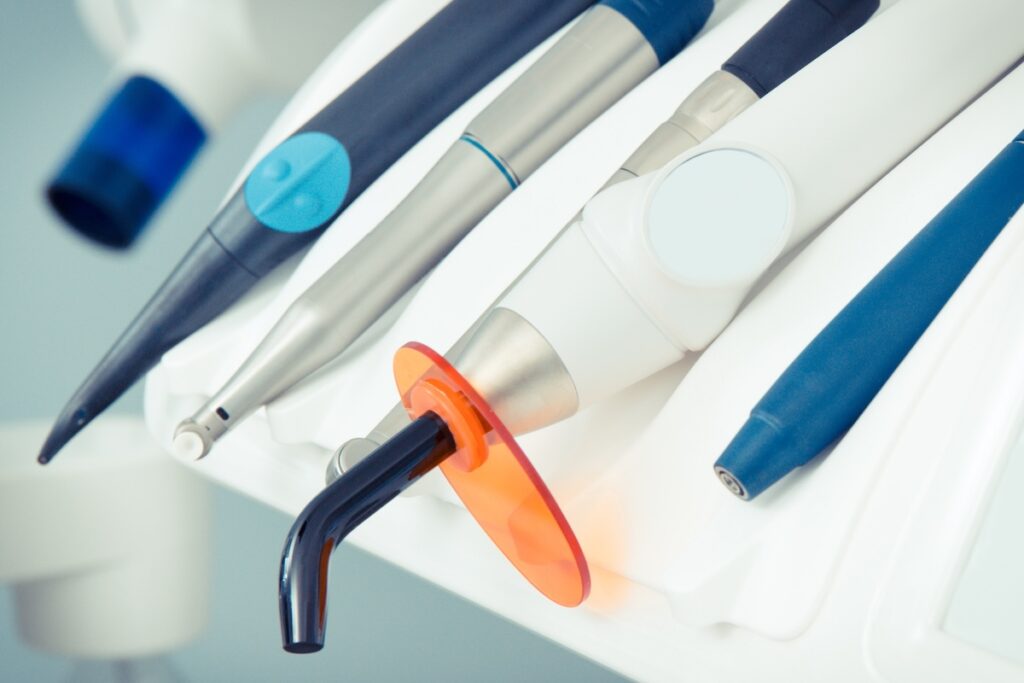
Composites photopolymérisables
Elles durcissent sous l'effet de la lumière bleue et sont les plus couramment utilisées. Le dentiste peut contrôler le temps de prise.
Composites à durcissement chimique
Elles durcissent automatiquement après le mélange de deux composants. Rarement utilisées aujourd'hui.
Composites à double polymérisation
Ils peuvent durcir chimiquement et sous l'effet de la lumière. Idéaux pour les zones profondes inaccessibles à la lumière.
5. Composites à usage spécial
Composites à remplissage en vrac
Elles peuvent être appliquées en couches plus épaisses (environ 4 à 5 mm) en une seule fois, ce qui permet de gagner du temps.
Composites renforcés par fibres
Elles contiennent des structures fibreuses et sont utilisées pour le renforcement des dents fracturées ou des restaurations de type bridge.
Avantages
• Correspond à la couleur des dents et est esthétique
• Adhère bien à la dent
• Nécessite une moindre élimination de la structure dentaire
• Peut être réparé si nécessaire
Inconvénients
• Peut se décolorer avec le temps
• Peut s'user plus rapidement que l'amalgame
• Dépendant de la technique ; dépend de l'habileté du dentiste