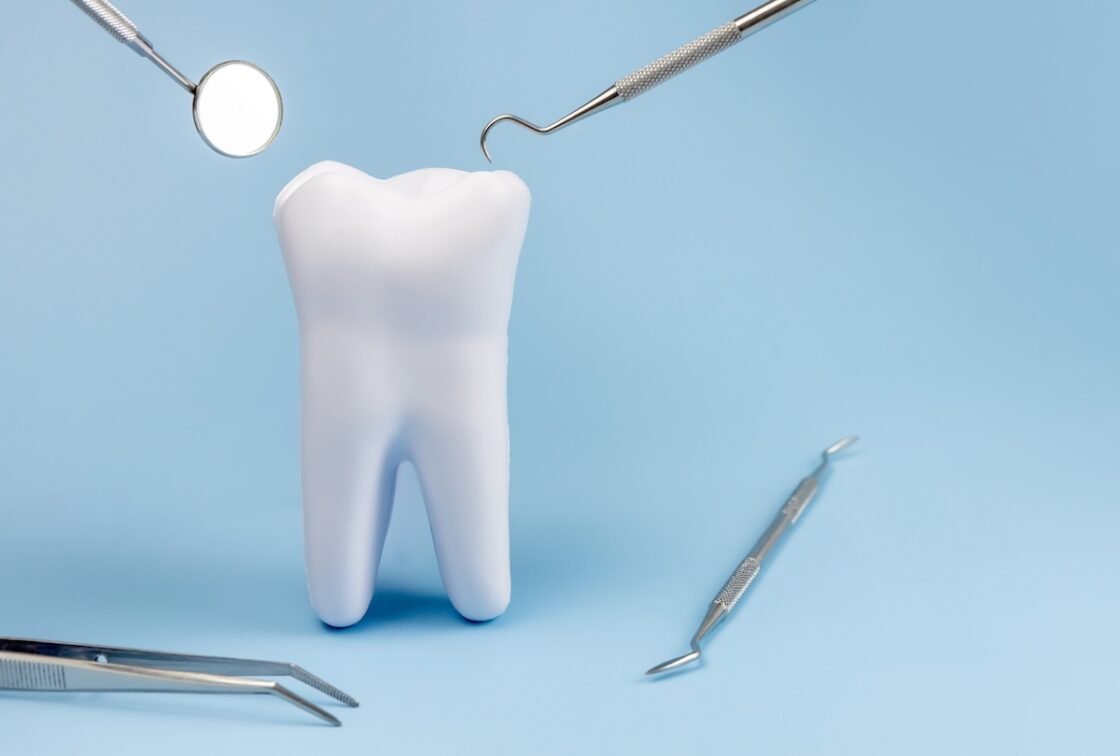

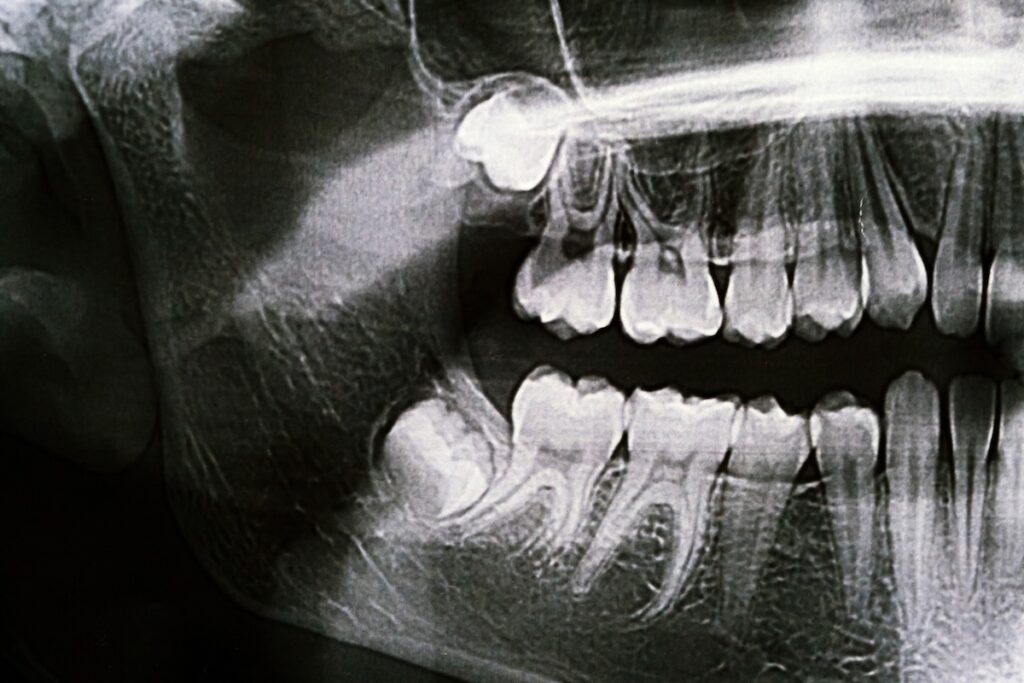
Molarii de minte sunt de fapt al treilea molar. De obicei, erup între 18 și 20 de ani, motiv pentru care sunt numiți în mod obișnuit „molari de minte”. Ca toți ceilalți dinți, dacă erup în poziția corectă, pot funcționa normal și pot contribui semnificativ la masticație. Cu toate acestea, din cauza unor probleme precum maxilarul îngust, molarii de minte adesea nu au suficient spațiu pentru a erupe corect și pot necesita extracție.
De ce erup măselele de minte?
Molarii de minte pot fi considerați molari de rezervă. Deoarece majoritatea oamenilor nu își pierd molarii la o vârstă fragedă, aceștia rămân latenți până la vârsta adultă. Cu alte cuvinte, dacă molarii sunt pierduți la o vârstă fragedă, aceștia pot umple acele goluri. Molarii de minte erup, în general, în jurul vârstei de 18-20 de ani, deși pot apărea mai târziu în viață sau pot să nu se dezvolte niciodată la unele persoane.
De ce sunt extrași măselele de minte?
Molarii de minte adesea nu găsesc suficient spațiu din cauza îngustimii maxilarului sau a alinierii neregulate a dinților. În timp ce încearcă să erupă, aceștia pot provoca infecții sau leziuni. Pentru a preveni complicațiile și a ameliora disconfortul, se poate recomanda extracția. Molarii de minte incluși care cauzează probleme sunt, de asemenea, îndepărtați frecvent prin proceduri chirurgicale. Cu toate acestea, molarii de minte care erup corect sau rămân incluși fără a cauza probleme nu necesită, de obicei, extracție.
Cum se extrag măselele de minte?
Molarii de minte pot fi extrași printr-o extracție simplă sau printr-o procedură chirurgicală.
Extracție simplă
Molarii de minte care au erupt normal și nu prezintă complicații radiculare pot fi de obicei extrași cu ușurință sub anestezie locală. În general, nu sunt necesare fire de sutură, deși în unele cazuri se pot plasa suturi pentru a ajuta gingiile să se vindece mai repede. Medicii stomatologi pot prescrie antibiotice înainte sau după procedură dacă există riscul de infecție.
Extracție chirurgicală
Extracția chirurgicală se efectuează în general pentru molarii de minte incluși sau parțial incluși. Deoarece acești dinți cauzează adesea infecții în timp ce încearcă să erupă, pot fi prescrise antibiotice înainte de procedură. Sub anestezie locală și în condiții sterile, dintele este îndepărtat chirurgical. În cazuri mai avansate, se poate utiliza și anestezie generală. După extracție, zona este de obicei curățată și suturată pentru a susține vindecarea și a preveni pătrunderea resturilor alimentare în rană.
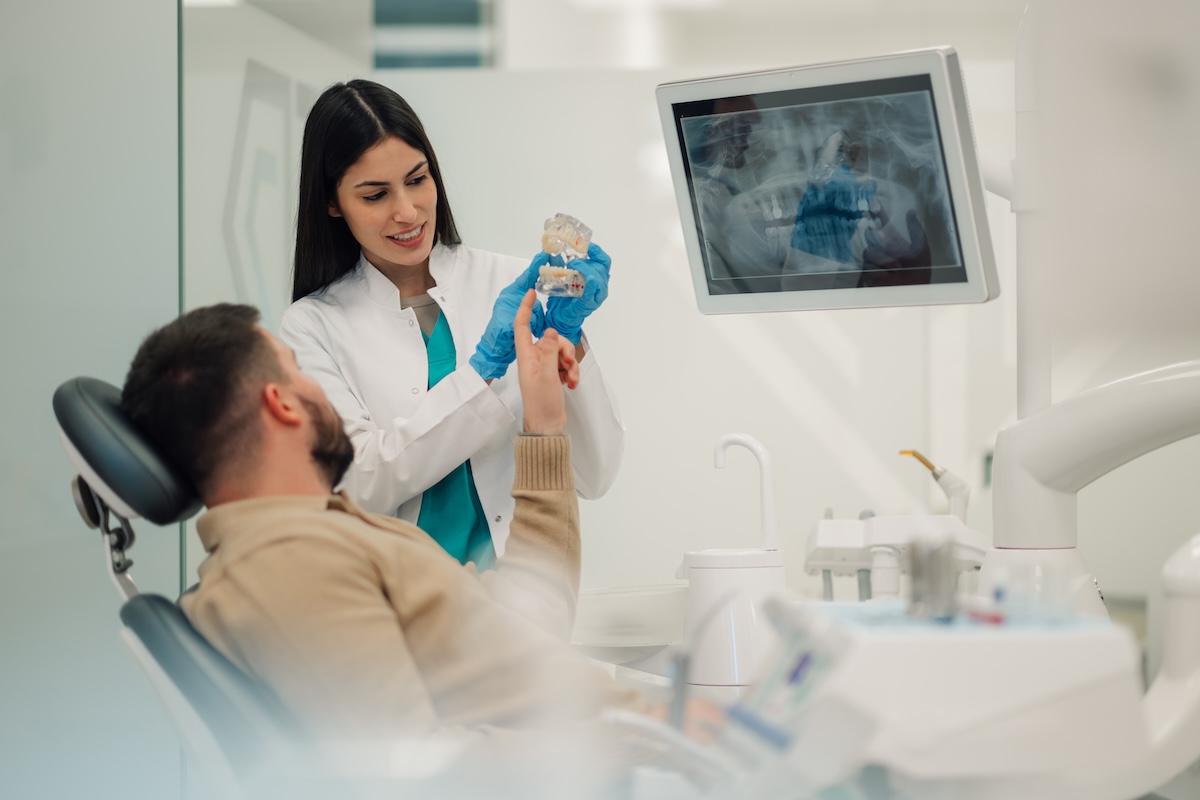
În cazul molarilor de minte superiori, amorțeala se poate extinde uneori la nas sau în jurul ochilor. În cazul molarilor de minte inferiori, întreaga zonă din jurul dintelui este amorțită temporar. Dacă rădăcinile sunt aproape de un nerv, medicul dentist poate solicita o tomografie pentru a evalua riscul de leziuni ale nervilor și posibile complicații, cum ar fi amorțeala prelungită.
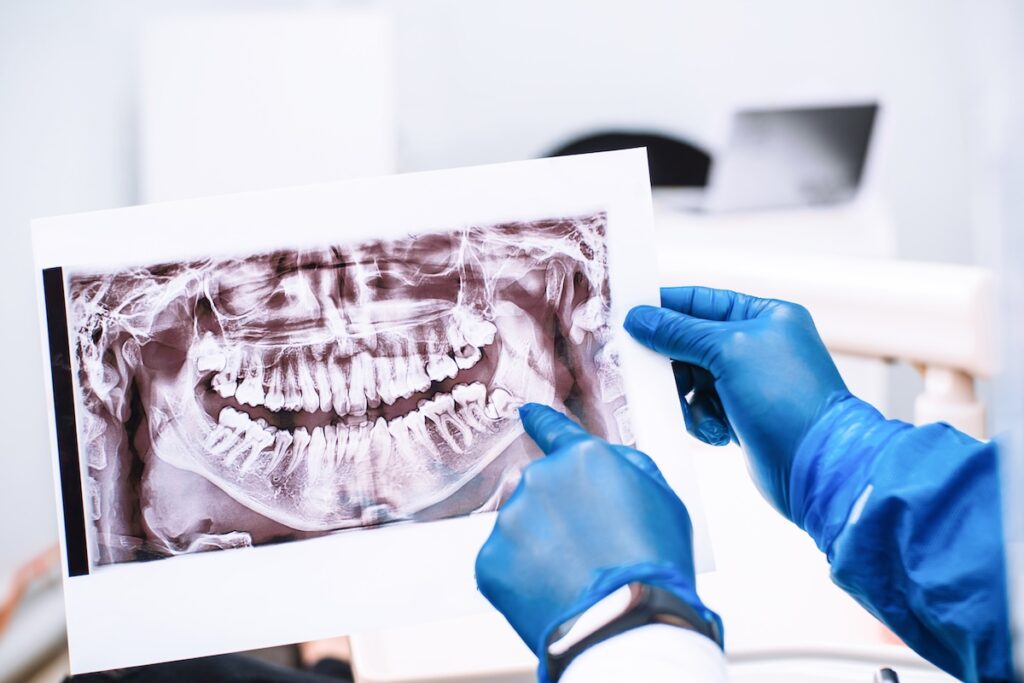
Ce trebuie făcut după extracția măselei de minte?
• Se plasează un tampon steril de tifon pe locul extracției și se mușcă timp de aproximativ 30 de minute.
• La recomandarea medicului dentist, gheața poate fi aplicată extern, cu pauze, pentru a reduce umflarea.
• Mâncarea este permisă, în general, la 2 ore după procedură.
• Evitați alimentele fierbinți și tari; preferați alimentele moi și calde.
• Nu clătiți și nu scuipați în primele 24 de ore.
• După 24 de ore, se poate folosi periajul și apa de gură recomandate de medicul dentist.
• Evitați fumatul și consumul de alcool pentru a sprijini vindecarea.
• Luați medicamentele prescrise în mod regulat.
Aceste recomandări se aplică atât extracțiilor simple, cât și celor chirurgicale.
Periajul dinților după extracție
Dinții pot fi de obicei periați la 24 de ore după extracție. Până când rana se vindecă, trebuie folosită cu grijă o periuță de dinți moale în jurul zonei afectate.
Cât durează sângerarea?
Sângerarea începe, în general, imediat după extracție și poate continua pe tot parcursul zilei. De obicei, se oprește în 24 de ore. Sângerarea ușoară sau saliva de culoare roz pot continua încă câteva zile, ceea ce este considerat normal.
Când ar trebui extrași măselele de minte?
Dacă molarii de minte provoacă durere, presiune, înghesuire, infecții sau rămân incluși, medicul dentist poate decide că este necesară extracția.
Ce se întâmplă dacă molarii de minte nu sunt extrași?
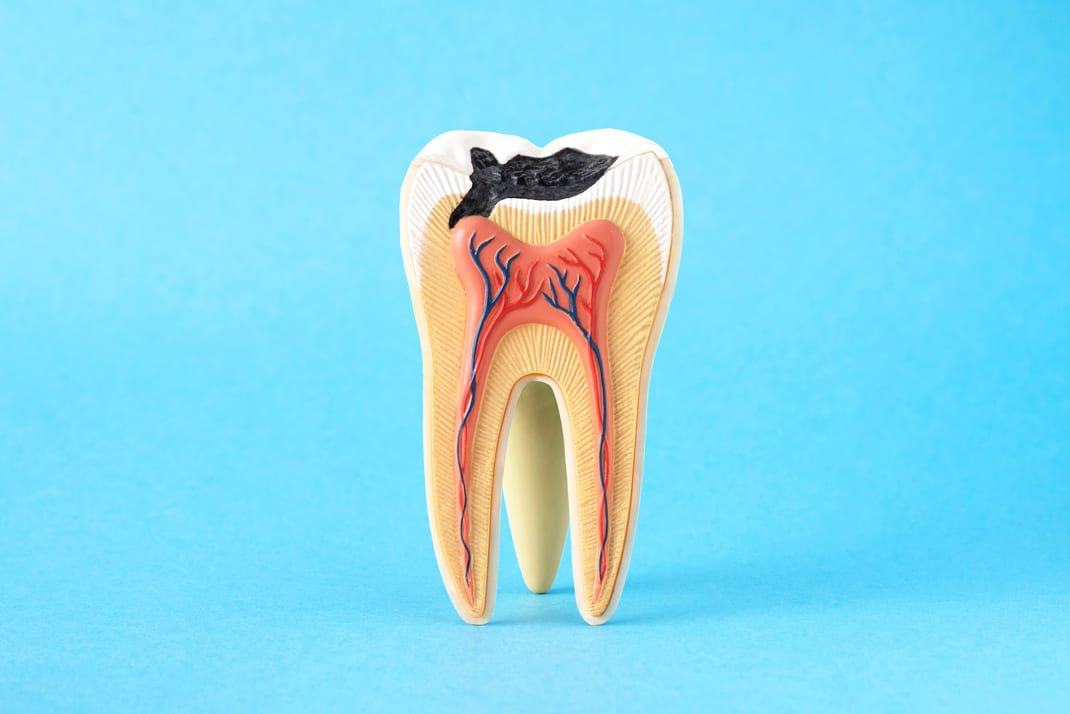
Deoarece molarii de minte sunt situați în partea din spate a gurii, sunt dificil de curățat corespunzător. Drept urmare, acumularea de placă bacteriană și alimente poate duce la mai multe probleme, inclusiv:
• Carii dentare
• Infecții și umflături ale gingiilor
• Durere și sensibilitate
• Formarea de chisturi sau tumori
• Probleme de aglomerare și erupții
• Probleme legate de sinusuri (în special molarii de minte superiori)
Totuși, dacă există suficient spațiu în gură și molarul de minte erupe corect fără a provoca disconfort, extracția poate să nu fie necesară.