
أصبح صرير الأسنان، المعروف أيضًا باسم صرير الأسنان الليلي، شائعًا بشكل متزايد في السنوات الأخيرة. عوامل مثل التوتر، وضغوط العمل، واضطرابات النوم قد تؤدي إلى ألم في مفصل الفك، وحساسية الأسنان، وتآكلها، وصداع الصباح. من أكثر خيارات العلاج شيوعًا واقيات الأسنان الليلية والعلاج بالجبائر. ولكن هل هما متطابقان؟ وما الفرق بينهما؟
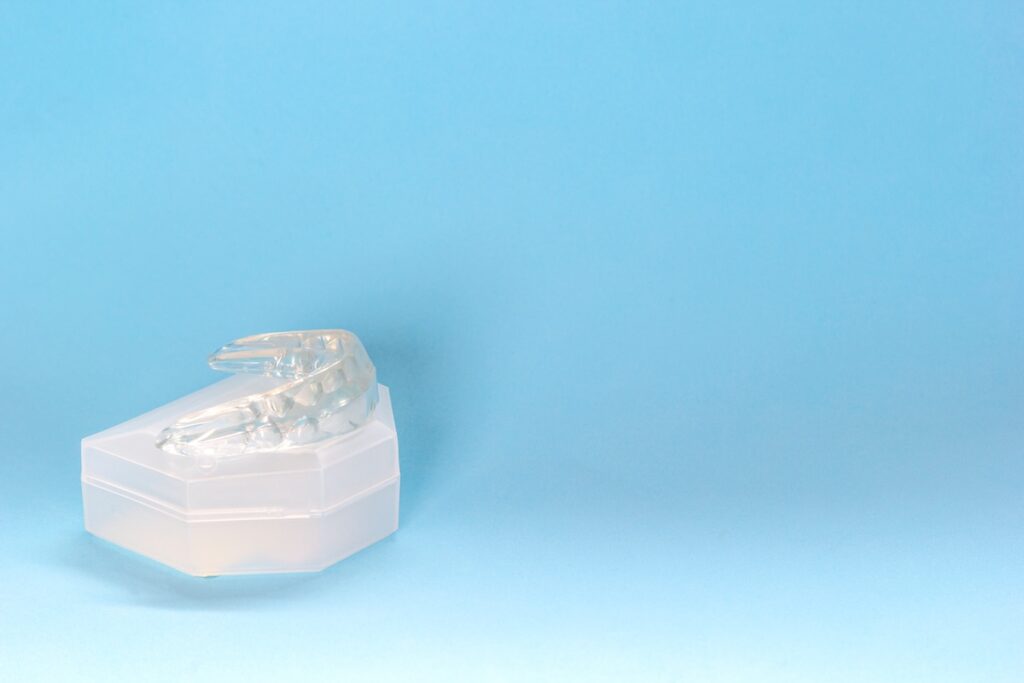
ما هو حارس الأمن الليلي؟
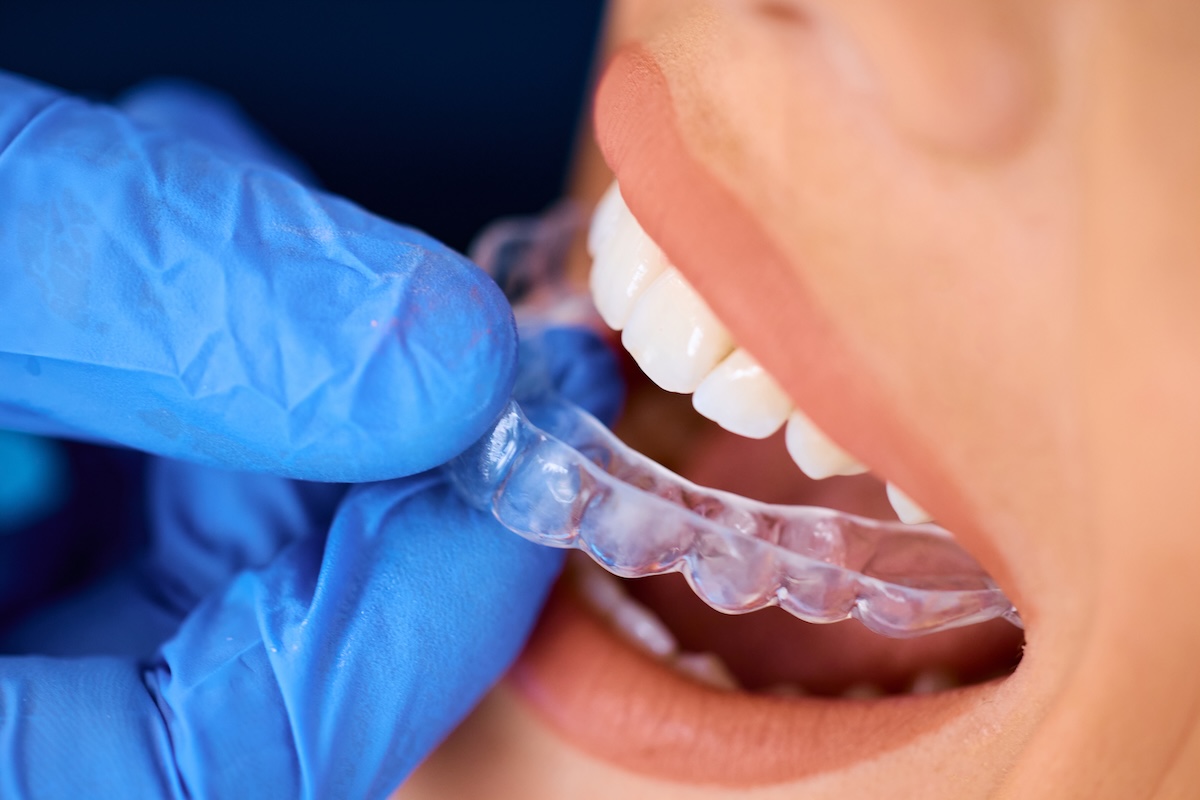
واقي الأسنان الليلي هو جهاز وقائي مصمم خصيصًا للأشخاص الذين يعانون من صرير الأسنان أو الضغط عليها. يُصنع هذا الواقي خصيصًا لكل مريض بناءً على طبعات أسنانه، وعادةً ما يكون شفافًا. يُستخدم بشكل أساسي أثناء النوم.
تتمثل أغراضها الأساسية فيما يلي:
• منع الضرر الناتج عن احتكاك الأسنان ببعضها البعض
• تقليل تآكل المينا
• تخفيف الضغط على عضلات الفك
• يساعد على تخفيف آلام الفك والصداع في الصباح
تُستخدم واقيات الأسنان الليلية في المقام الأول كحل وقائي. هدفها الرئيسي هو منع تفاقم الحالة.
ما هو العلاج بالجبائر؟
يُعدّ العلاج بالجبيرة طريقة علاجية شاملة لا تقتصر على حماية الأسنان فحسب، بل تُساعد أيضاً على تحسين وظيفة مفصل الفك وتصحيح وضعية العضة. وكما هو الحال مع واقي الأسنان الليلي، تُصنع الجبيرة خصيصاً لكل مريض، إلا أن تصميمها ووظيفتها يختلفان.
يُوصى عادةً بالعلاج بالجبائر في الحالات التالية:
• اضطرابات المفصل الصدغي الفكي
• سماع أصوات طقطقة أو فرقعة في مفصل الفك
• قفل الفك
• ألم شديد في العضلات والمفاصل
• اضطرابات العضة والإطباق
إن الهدف من العلاج بالجبيرة ليس فقط حماية الأسنان ولكن أيضًا توجيه مفصل الفك إلى وضع أكثر ملاءمة وإرخاء العضلات المحيطة.

الاختلافات الرئيسية بين واقي الأسنان الليلي والجبيرة
1. الغرض من الاستخدام
حارس ليلي:
صُممت في الأساس لتقليل الضغط والتآكل الناتج عن طحن الأسنان والضغط عليها.
جبيرة:
يُستخدم للمساعدة في علاج اضطرابات مفصل الفك وتحسين محاذاة العضة.
2. الهيكل والتصميم
حارس ليلي:
عادة ما تكون أنحف وأبسط في التصميم.
جبيرة:
جهاز أكثر تخصصًا مصمم لتوجيه وضعية الفك ويتطلب تخطيطًا دقيقًا.
3. عملية العلاج
حارس ليلي:
يمكن تصنيعها بسرعة بشكل عام، ويوصى باستخدامها بشكل منتظم أثناء الليل.
جبيرة:
يتطلب الأمر فحصاً أكثر تفصيلاً ومتابعة دقيقة. الفحوصات الدورية للأسنان ضرورية.
4. شروط الاستخدام
حارس ليلي
• صرير الأسنان
• صرير الأسنان
• تآكل الأسنان
• ألم عضلي خفيف
جبيرة
• اضطرابات مفصل الفك
• عدم محاذاة الفكين
• أصوات المفاصل
• ألم شديد في الفك
أي علاج هو الأنسب؟
لا توجد إجابة واحدة لهذا السؤال. يعتمد العلاج الأنسب على أعراض المريض، وبنية الفك، وشدة الحالة.
إذا اقتصرت المشكلة على صرير الأسنان والضغط عليها أثناء الليل، فقد يكون واقي الأسنان الليلي كافياً. أما إذا كان هناك ألم في مفصل الفك، أو أصوات طقطقة عند فتح الفم، أو انحراف في الفك، أو انغلاق الفك، فقد يكون العلاج بالجبيرة خياراً أنسب.
لهذا السبب، فإن الفحص السني الاحترافي ضروري لتحديد التشخيص الصحيح وخطة العلاج.
ما الذي يجب مراعاته أثناء العلاج؟
لكي يكون كلا العلاجين فعالاً، من المهم القيام بما يلي:
• استخدم الجهاز بانتظام
• حضور مواعيد المتابعة
• إدارة مستويات التوتر
• قلل من تناول الأطعمة الصلبة
• تجنب العادات التي تجهد عضلات الفك
كما أن النظافة السليمة للأجهزة ضرورية أيضاً. فالواقيات الليلية والجبائر التي لا يتم تنظيفها بانتظام قد تؤثر سلباً على صحة الفم.
خاتمة
على الرغم من الخلط الشائع بين واقيات الأسنان الليلية والعلاج بالجبائر، إلا أن لكل منهما غرضاً مختلفاً. فواقي الأسنان الليلي هو حل وقائي في المقام الأول، بينما يمثل العلاج بالجبائر نهجاً أكثر شمولاً يهدف إلى إدارة اضطرابات مفصل الفك.
إذا كنت تعاني من صرير الأسنان أو ألم في الفك أو مشاكل متعلقة بمفصل الفك الصدغي، فإن طلب الرعاية السنية الاحترافية مبكراً يمكن أن يساعد في حماية صحة الفم ووظيفة مفصل الفك.