

For those who want a brighter, whiter smile, at-home teeth whitening is one of the effective methods that can be performed under the supervision of a dentist. Using custom-made transparent trays and whitening gels, this treatment gradually lightens the colour of the teeth without significantly disrupting daily life.
What Is At-Home Teeth Whitening?
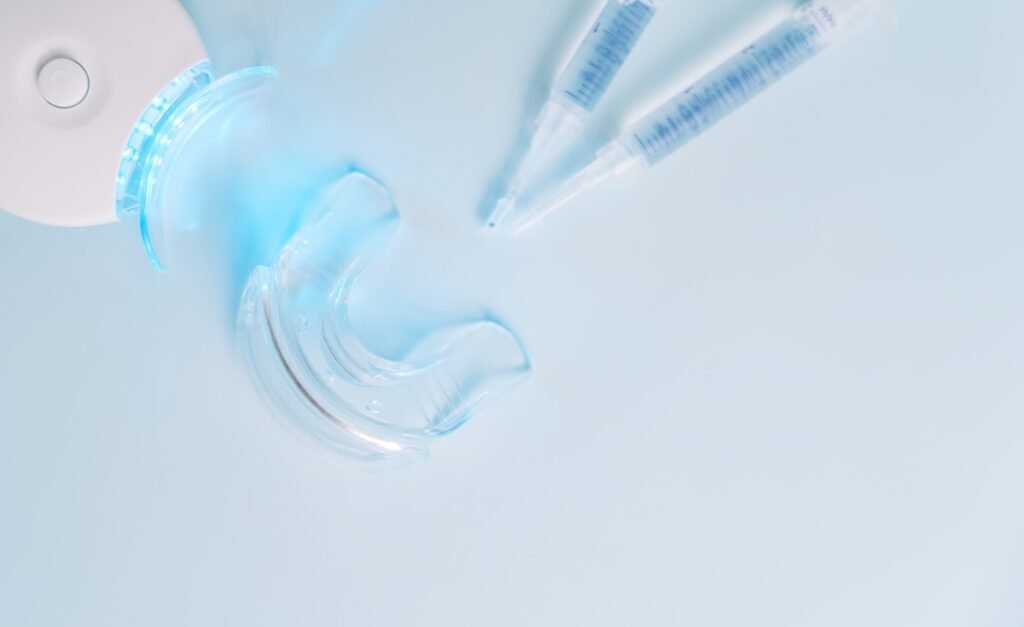
At-home teeth whitening is a procedure designed to lighten the natural colour of teeth using special whitening gels applied with custom-made transparent trays. Unlike in-office teeth whitening, certain stages of the procedure are carried out by the patient at home. However, treatment planning, product selection and determining the application period are all carried out under the supervision of a dentist.
The consumption of tea, coffee and similar beverages, smoking, and age-related changes can cause tooth discolouration. At-home whitening can help reduce these types of stains. However, since not all types of discolouration respond in the same way, it is important to have the teeth evaluated before starting treatment.
How Is At-Home Teeth Whitening Performed?
At-home teeth whitening is not simply a matter of applying whitening gel to the teeth. To achieve safe and controlled results, the procedure follows several specific stages.
1. A Dental Examination Is Performed
During the initial stage, the overall condition of the teeth and gums is evaluated. Tooth decay, gum disease, tooth wear and existing restorations are examined. If necessary, professional dental cleaning and other oral health treatments are completed before whitening begins. This assessment is important both for ensuring that the treatment is performed safely and for establishing realistic expectations.
2. Custom-Made Whitening Trays Are Prepared
Following the examination, dental impressions or digital scans are taken to prepare custom-made transparent trays. These trays fit the surfaces of the teeth and help ensure that the whitening gel is applied in a controlled manner. Using customised trays helps reduce the risk of gel spreading onto the gums and contributes to a more controlled treatment process.
3. Whitening Gel Is Applied to the Trays
The whitening gel recommended by the dentist is placed into the appropriate sections of the trays in the amount specified in the product instructions. The trays are then carefully fitted over the teeth. Using excessive amounts of gel does not make the teeth whiten faster or more effectively. On the contrary, gel that comes into contact with the gums may cause irritation. Therefore, it is essential to use the correct amount of gel and follow the application instructions.
4. The Trays Are Worn for the Recommended Period
The prepared trays can be worn during the day or at night, depending on the dentist’s recommendations. The daily application time varies according to the gel’s ingredients, concentration and the individual’s tooth sensitivity.
The treatment may begin to show results within a few days. However, achieving the desired shade change may require a treatment period of approximately one to two weeks, depending on the individual.
Important: Wearing the trays longer than recommended or extending the treatment period without professional advice is not appropriate. The most suitable application schedule should be determined by the dentist.
How Long Does At-Home Teeth Whitening Take to Show Results?
The time required to see results from at-home teeth whitening varies from person to person. The initial shade of the teeth, the cause of discolouration, the characteristics of the product used and the patient’s compliance with the treatment all influence the process.
Some people notice a colour change within the first few days, while others may require regular applications to achieve more noticeable results. The aim of treatment is not to make teeth as white as possible, but to achieve a natural-looking shade while protecting the health of the teeth and gums.
Is At-Home Teeth Whitening Suitable for Everyone?
At-home teeth whitening may not be suitable for everyone. Oral and dental health should be evaluated before treatment begins.
A dental examination is particularly important for individuals who have:
Active tooth decay.
Gum disease or significant gum recession.
Cracked, worn or highly sensitive teeth.
Fillings, crowns or other restorations on their front teeth.
Significant tooth discolouration caused by trauma or other underlying conditions.
Whitening products can lighten the colour of natural tooth structures; however, they do not change the colour of porcelain veneers, crowns or composite fillings in the same way. Therefore, individuals with restorations on their front teeth require an additional assessment to ensure colour harmony.
During pregnancy and breastfeeding, the suitability of teeth whitening should be discussed with a dentist. To avoid unnecessary risks, the timing of treatment should be determined on an individual basis.
Can Tooth Sensitivity Occur During At-Home Teeth Whitening?
Temporary sensitivity to hot and cold foods and drinks may occur during or after teeth whitening. Some individuals may also experience gum irritation. These effects are generally temporary; however, severe or persistent symptoms should not be ignored.
If sensitivity develops, it may be necessary to pause the treatment or modify the application schedule. In such cases, patients should follow their dentist’s recommendations.
What Should Be Considered After Teeth Whitening?
To maintain the achieved shade and support oral health, certain habits should be followed after treatment:
Brush your teeth regularly using the correct technique.
Include dental floss or interdental cleaning tools in your daily oral hygiene routine.
Limit the consumption of coffee, tea and strongly coloured foods, particularly immediately after treatment.
Avoid smoking.
Attend follow-up appointments recommended by your dentist.
How long the whitening results last depends on factors such as dietary habits, oral hygiene and smoking. Some discolouration may develop over time. If repeat treatment becomes necessary, consult your dentist before undergoing another whitening procedure.
What Is the Difference Between At-Home and In-Office Teeth Whitening?
Both methods aim to lighten the natural colour of the teeth; however, their application methods and treatment durations differ.
At-home teeth whitening: This method is performed at home using custom-made trays and whitening gel recommended by the dentist, following a prescribed treatment schedule. The colour change generally occurs gradually.
In-office teeth whitening: This procedure is performed by a dentist in a clinical setting. The whitening product is applied while protecting the gums and surrounding tissues. It may be a suitable option for individuals who want to achieve results in a shorter period.
The choice of treatment depends on the current condition of the teeth, the cause of discolouration, the individual’s expectations and the dentist’s assessment.
You can visit our İnci Diş clinics for a detailed examination and information about treatment prices.


