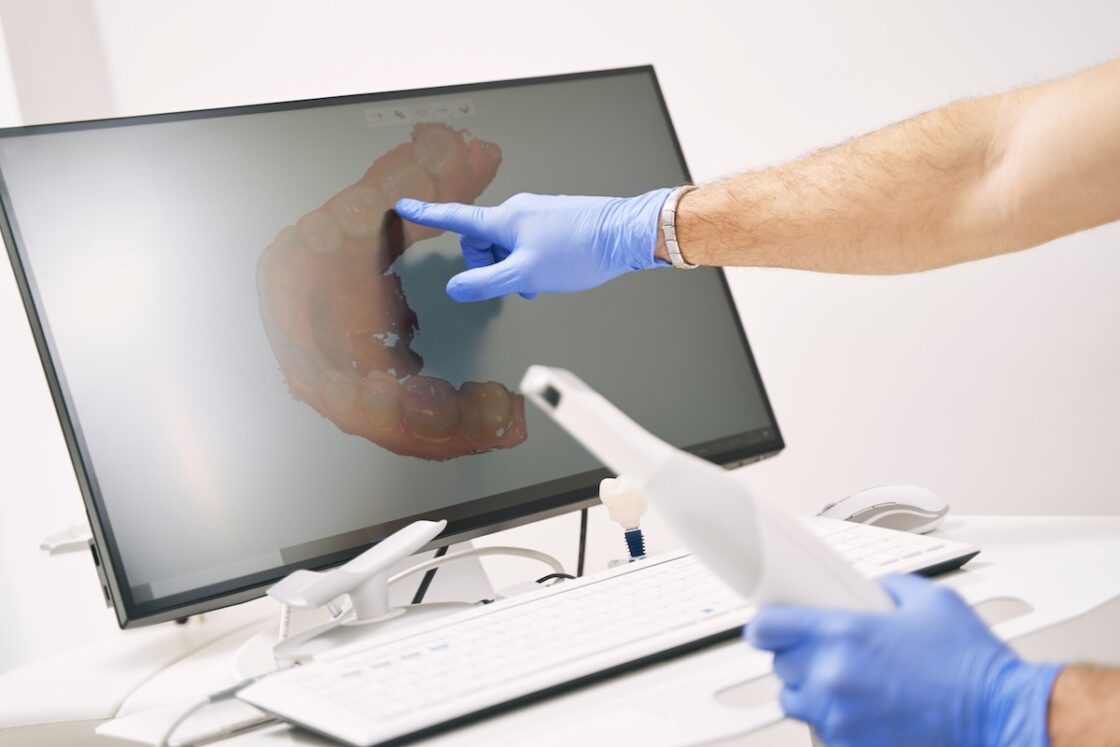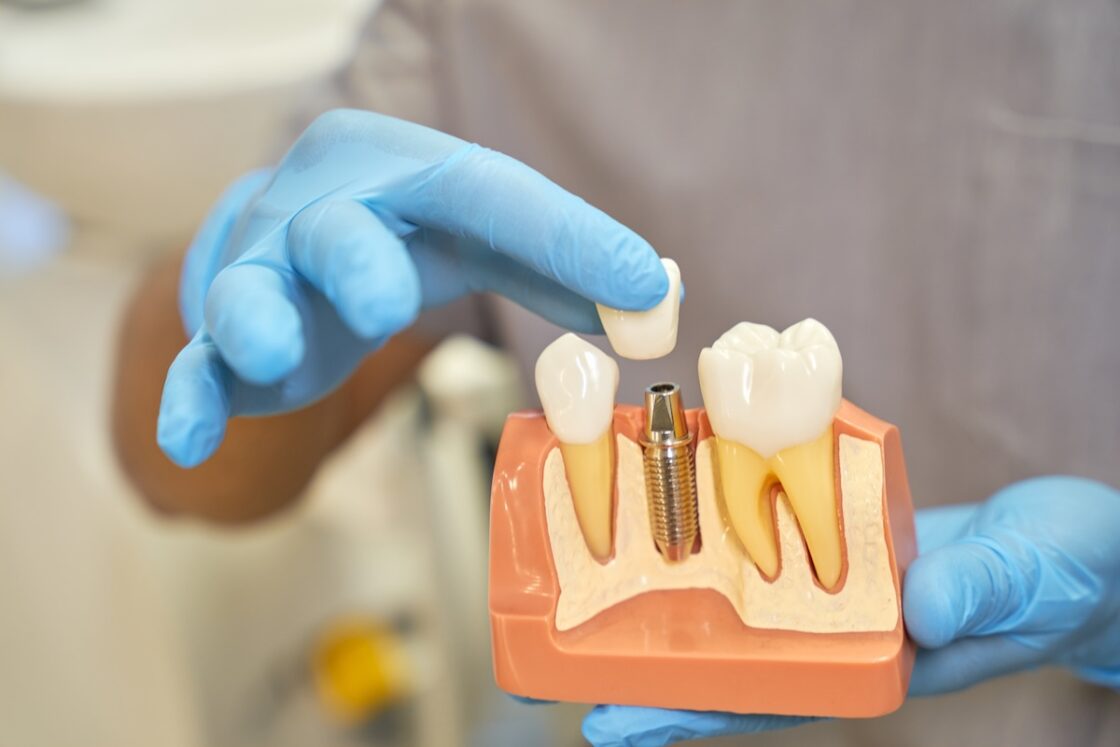

A proper and effective treatment begins with an accurate diagnosis during the first examination. In dentistry, a comprehensive examination performed to make a diagnosis is called Oral Diagnosis. It is the first step to identify problems in the mouth before starting treatment.
Oral diagnosis is the process in which dentists evaluate patients’ oral and dental health, identify any existing issues, and create a personalized treatment plan. It can also be considered a routine dental examination before treatment begins.
When a patient visits the clinic, their information is recorded, and after X-rays are taken, they are taken to the examination room. The dentist evaluates the oral cavity and X-ray images, taking into account the patient’s general health, dental care habits, previous treatments, and detailed analysis of teeth and jaw structure.
Based on this information, the dentist creates a treatment plan tailored to the patient. This approach not only addresses current issues but also focuses on preventing potential future problems.
During an oral diagnosis examination, dentists carefully evaluate the patient’s oral and dental health, identify problems, and guide them to receive the appropriate treatment. X-ray images are reviewed after the intraoral examination, and various issues such as gum problems, cavities, or jaw/joint disorders are assessed. General health, genetic factors, medication use, and previous treatments are considered to create a personalized plan.
Oral diagnosis helps maintain oral and dental health by addressing current problems, detecting potential future issues, and providing a comprehensive treatment plan. It also aims to improve the patient’s general health and quality of life.

WHEN SHOULD ORAL DIAGNOSIS BE PERFORMED?
The timing may vary depending on individual needs and circumstances. Generally, it is recommended once a year for patients without any specific problems. Routine yearly check-ups help maintain oral health and detect potential issues early.
Patients with gum problems, dental or jaw trauma, or a history of such conditions should consult their doctor to create a personalized schedule.
Oral diagnosis should be performed regularly, not only when symptoms appear, to maintain oral and general health. Good oral health can reduce the risk of other systemic diseases, improve overall quality of life, and enable smaller and more cost-effective treatments through early detection. Long-term treatment costs decrease, protecting patients’ budgets.