
Стоматологическая визуализация играет решающую роль в диагностике проблем полости рта и челюсти (кариес, ретинированные зубы, потеря костной ткани), которые невозможно увидеть невооруженным глазом. В современной стоматологии цифровые методы минимизируют радиационное облучение, одновременно повышая точность диагностики.
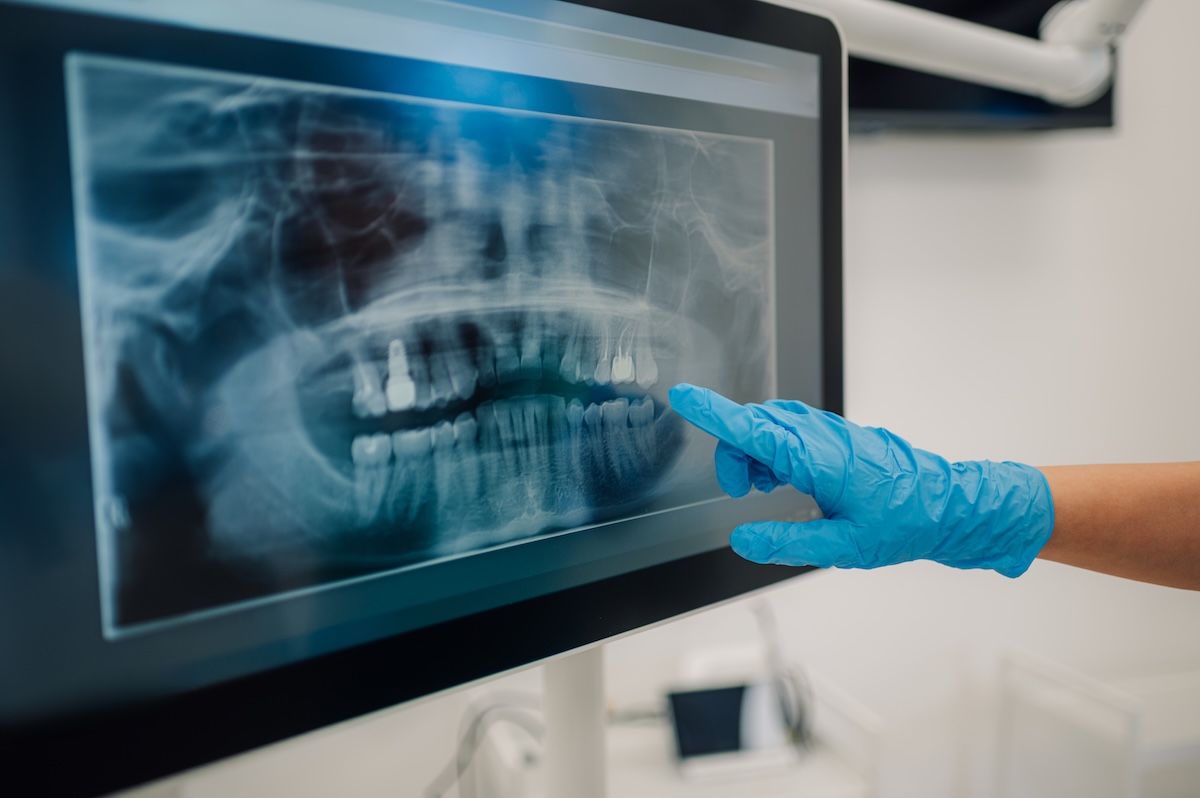
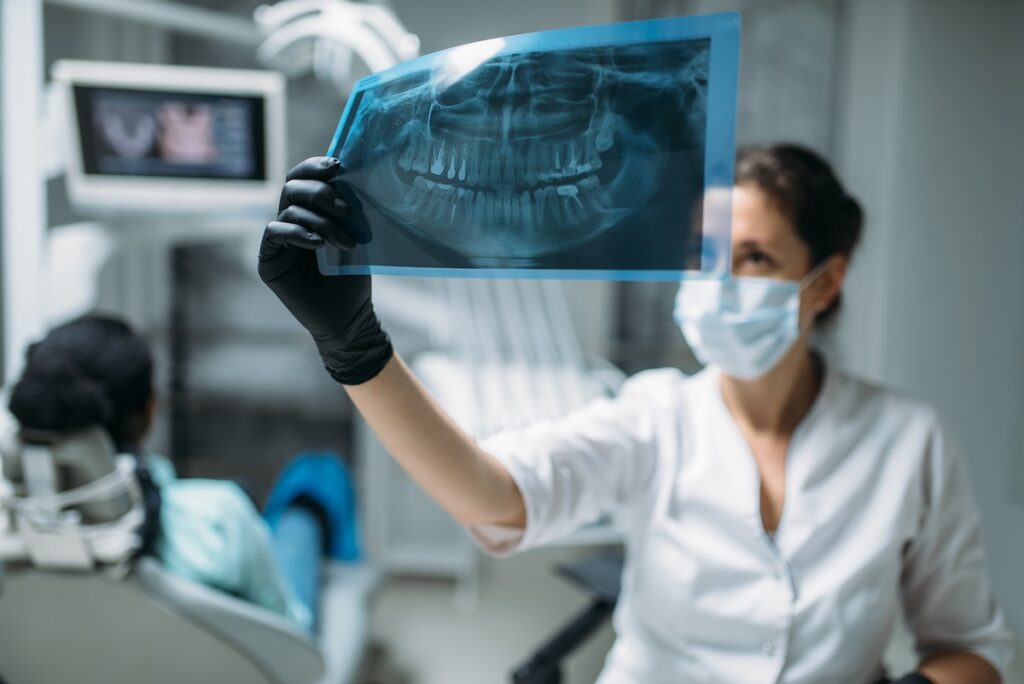
Панорамный рентгеновский снимок (рентген):
На снимке видна общая структура челюсти и зубов. Это предпочтительный метод для выявления кариеса и ретинированных зубов, а также перед ортодонтическим лечением (брекеты) и имплантацией.
Причины для проведения панорамной рентгенографии
• Общий осмотр полости рта: Панорамный снимок строения челюсти делается во время первого стоматологического осмотра.
• Мониторинг развития зубов: У детей отслеживается направление прорезывания постоянных зубов, состояние молочных зубов и развитие челюсти.
• Планирование лечения: Он используется для общей оценки состояния пациента перед многими процедурами, такими как протезирование, имплантация и установка брекетов.
3D-томография (3D):
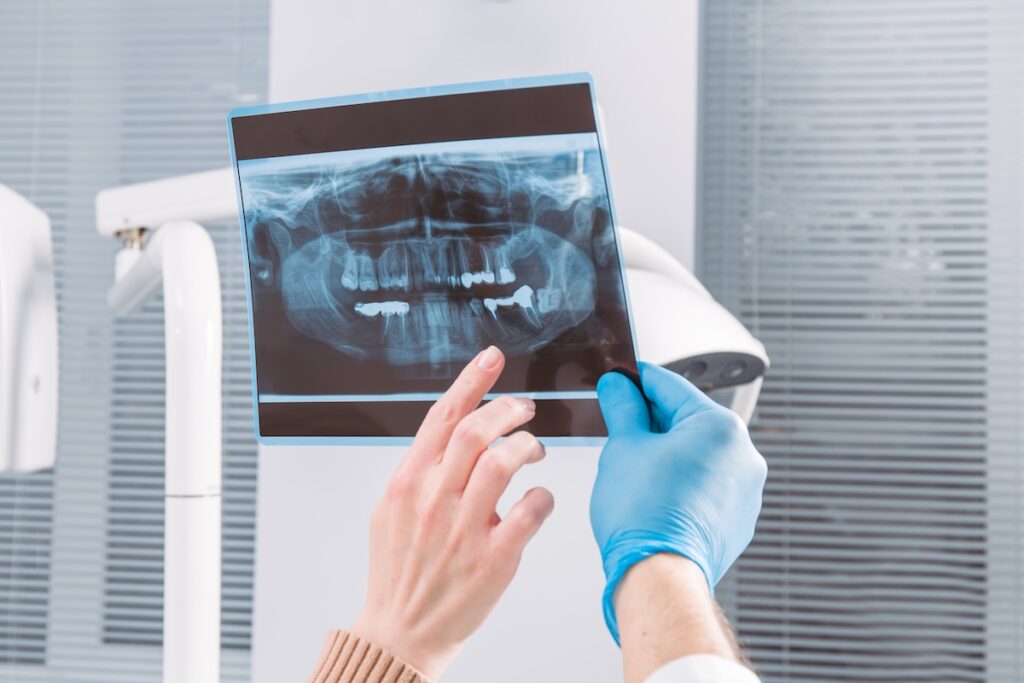
Предоставляет более детальное и трехмерное изображение челюсти. Исследуется объем челюстной кости, нервные каналы и положение корней. При операциях по удалению ретинированных зубов оценивается, насколько близко зубы расположены к кости, а при имплантации или операциях по удалению кист анализируется их положение.
Области применения
• Имплантация: Оцениваются плотность костной ткани и пригодность для имплантации.
• Лечение корневых каналов: Определение структуры корневого канала
• Вросшие зубы: Положение зубов и их взаимосвязь с окружающими тканями.
• ВНЧС (височно-нижнечелюстной сустав): Исследование структуры сустава
• Корневые инфекции: Выявление воспалений или патологических состояний в корнях зубов.
• Выявление кист и опухолей: Анализируются скрытые инфекции, переломы, трещины и проблемы с суставами челюстной кости, которые невозможно обнаружить при осмотре.
• Ортодонтия: Анализ строения зубов и челюсти
Панорамный рентгеновский снимок у детей
У детей старше 6 лет рентгеновское исследование играет очень важную роль в наблюдении за развитием полости рта и выявлении кариеса, невидимого невооруженным глазом. В более младшем возрасте рентгеновские снимки делаются только при необходимости после осмотра полости рта.
• Периапикальный рентгеновский снимок: Обычно используется в эндодонтии (лечении корневых каналов). На нем детально показаны лишь несколько зубов и верхушки их корней. Используется во время и после лечения для наблюдения за корнями и при локализованном инфицировании зубов.
• Цифровое внутриротовое сканирование (3D-сканирование): Широко используется в протезировании и лечении с помощью прозрачных элайнеров с высокой точностью. Это метод без использования излучения, позволяющий создавать цифровые модели зубов, заменяя традиционные оттискные материалы.