
Dental tartar is the hardened form of soft bacterial plaque that accumulates on the tooth surface over time. At first, plaque is difficult to notice, but if it is not removed regularly, it combines with minerals in saliva and turns into a hard structure that cannot be removed by brushing. This hardened layer is called dental tartar.
It is most commonly found:
• Along the gum line
• On the inner surfaces of the lower front teeth
• On the outer surfaces of the upper back teeth
This is because these areas are closer to the salivary glands, where mineral accumulation occurs more easily.

HOW DOES DENTAL TARTAR FORM?
Bacteria naturally present in the mouth form a thin, sticky layer on the teeth after eating or drinking, especially sugary and carbohydrate-rich foods. This layer is called plaque.
If plaque is not removed, it begins to accumulate. When teeth are not brushed properly and dental floss is not used, plaque remains on the tooth surface and thickens over time.
Minerals in saliva, such as calcium and phosphate, penetrate the plaque and cause it to harden.
Within approximately 24–72 hours, plaque begins to harden and can turn into tartar within days or weeks. At this stage, it cannot be removed at home and must be cleaned by a dentist.
WHY DOES DENTAL TARTAR FORM?
• Inadequate or incorrect tooth brushing
• Neglecting dental floss
• Constant mouth breathing
• Smoking and tobacco use
• Frequent consumption of sugary and acidic foods
• Skipping regular dental check-ups
WHY IS DENTAL TARTAR DANGEROUS?
• Gum inflammation (gingivitis) causing redness, swelling, and bleeding
• Bad breath
• Gum recession
• Periodontitis
• Tooth mobility and eventual tooth loss
Dental tartar is the main factor in the development of gum diseases. If not removed, it progresses beneath the gums, forming periodontal pockets. Although pain may not be felt, bone loss can progress silently. Therefore, “no pain” does not always mean good oral health.
HOW IS DENTAL TARTAR REMOVED?
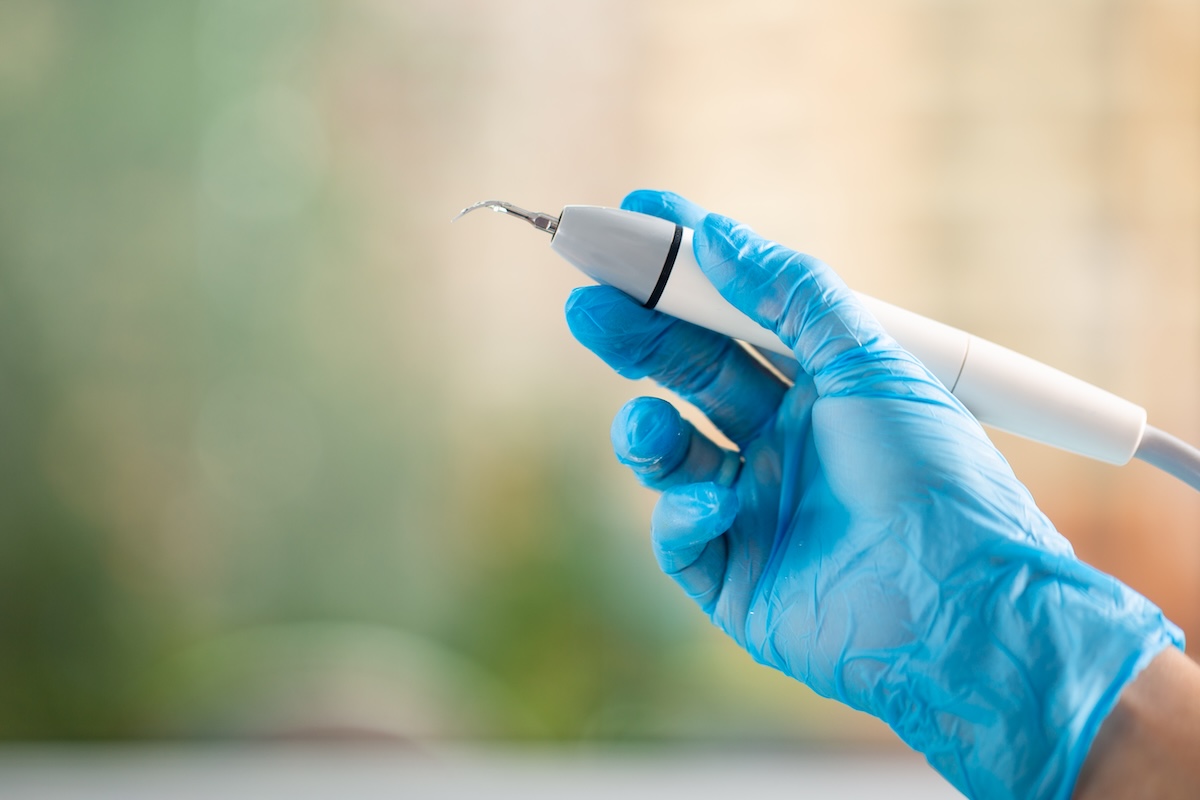
• Using ultrasonic devices
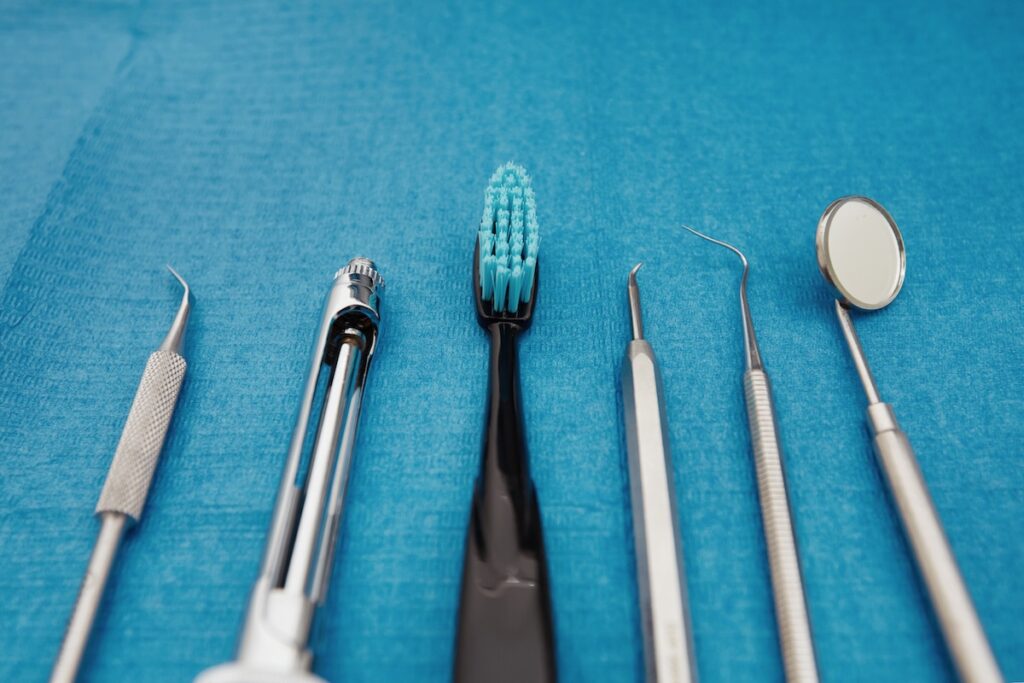
• Using hand instruments when necessary
• Polishing the tooth surfaces after cleaning
These procedures must be performed by a dentist. When done correctly, they do not harm the teeth and help protect and improve gum health.
HOW CAN DENTAL TARTAR BE PREVENTED?
• Brush teeth properly at least twice a day
• Use dental floss daily
• Drink enough water
• Avoid smoking, tobacco, and alcohol
• Have professional tartar cleaning every 6 months