
Early childhood caries, also known as baby bottle tooth decay, is commonly seen in babies and young children. This condition is not caused only by bottle use; it results from the consumption of sugary liquids and inadequate oral hygiene. For this reason, parents or caregivers need to take early preventive measures.
In babies and children, tooth decay begins when bacteria in the mouth interact with foods containing sugar and starch, producing acid. If sugary drinks such as milk and fruit juice, or foods like chocolate and cake remain on the tooth surface, they erode the enamel and lead to cavities. Newly erupted teeth are at higher risk of developing decay because they are not yet fully hardened and are more vulnerable to acids. Therefore, healthy nutrition and regular oral hygiene are very important to prevent tooth decay.
What Are the Symptoms of Tooth Decay in Babies and Children?
• A pale white line or spot near the gum line is usually the first sign and may go unnoticed by parents.
• Yellow, brown, or black stains on the teeth indicate that the tooth surface has weakened and the decay has spread outward.
• Children may complain of constant pain in their teeth or pain while eating. Toothache indicates that the decay is closer to the nerves and may have damaged them.
• Sensitivity to hot-cold, sweet-sour foods may occur.
• Clearly visible holes or cavities on the tooth surface indicate advanced tooth decay.
• If infection spreads due to decay, bleeding and inflammation in the gums may occur.
• Bad breath or an unpleasant taste in the mouth may also indicate decay and insufficient oral hygiene.
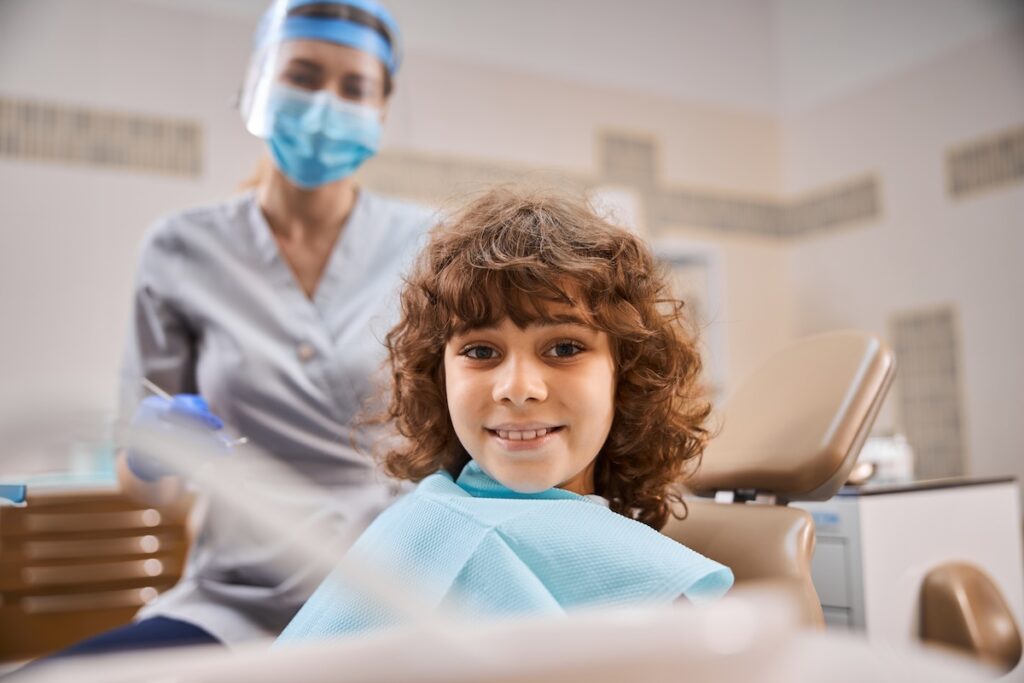
If any of these symptoms are present in babies and children, it is important to consult a dentist for early intervention. Early diagnosis and treatment will change the progression of decay and play an important role in your child’s dental health.

How Can Tooth Decay in Babies and Children Be Prevented?
• Oral hygiene should begin with the eruption of the first baby tooth. The best practice is brushing twice a day with fluoride toothpaste to reduce the risk of cavities.
• For children under 2 years old, a very thin smear of fluoride toothpaste is recommended. For children aged 2–5, a pea-sized amount of toothpaste is recommended. A soft-bristled toothbrush suitable for the child’s age should be used. It is important to avoid irritation for gum health.
• Sugary drinks and foods should be limited to a minimum. Especially, sugary liquids should not be given in a bottle.
• Instead of sugary foods, fruits, vegetables, yogurt, and nuts should be preferred.
• Fissure sealant procedures can be performed to cover the grooves on the chewing surfaces of back teeth and prevent cavities.
• Children should be educated about oral hygiene at an early age, and the importance of regular tooth brushing should be emphasized.
• Regular dental check-ups are important.