
There are many reasons why sounds may come from the jaw, and this condition can occur at any age. Jaw joint sounds may be caused by joint movements, muscle tension, problems between the teeth, teeth clenching or grinding, and incorrect bite alignment. These factors can cause sounds originating from the masseter muscle area during daily jaw movements. This condition may affect daily life and cause pain in the muscle areas.
Stress-related jaw joint disorders may also occur. In such cases, consulting a psychiatrist may be helpful. Frequent exposure to cold and hot temperatures during winter can also trigger jaw joint problems. Additionally, incorrect sleeping positions at night may cause joint pain during the day.
Hearing sounds when opening or closing the mouth, difficulty and noise while closing the mouth, jaw clicking, sounds while yawning, eating, or hearing noises from the ear during jaw movement are signs of jaw joint disorders. In such cases, it is necessary to consult a temporomandibular joint (TMJ) specialist or a maxillofacial surgeon.
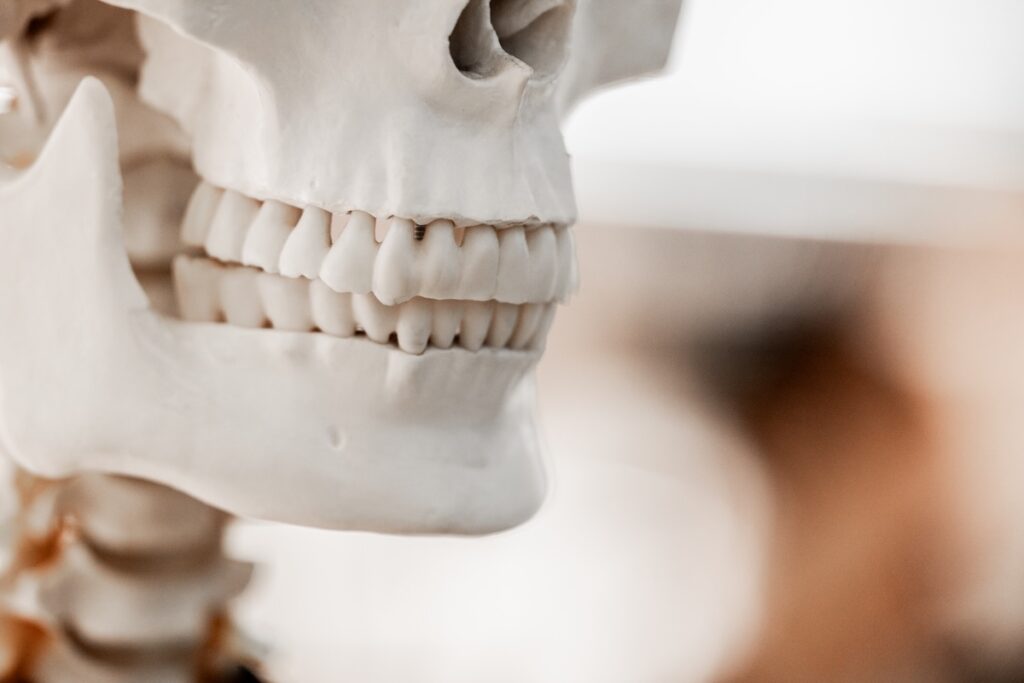
General Relationship Between Jaw Joint Sounds and Diseases
Many people experience complaints such as “my jaw makes sounds,” “my jaw clicks,” or “I hear ringing in my ear while eating.” Although often ignored, these symptoms may indicate underlying disorders and may worsen over time. Early intervention is important.
Not every jaw sound indicates a serious problem, so panic is unnecessary. Many jaw sounds are temporary and related to teeth or bone structures. Consulting a TMJ specialist or orthodontist is recommended.
Common Jaw and Joint Problems
Jaw sounds are mostly related to temporomandibular joint disorders. Damage to the cartilage structure in this area can cause various problems and produce different sounds. Patients’ daily habits are examined in detail to identify the cause.
Jaw joint problems are more common in individuals with genetic dental alignment disorders, athletes, people with bite problems, stress or anxiety disorders, wisdom tooth complications, and those who clench or grind their teeth during the day or night.
Main Causes of Jaw Sounds
Dental and joint problems can lead to jaw sounds and, in advanced cases, jaw locking or dislocation. Maintaining good oral health is essential to prevent missing teeth or decay.
If stress-related jaw problems cannot be resolved through dental treatments, psychiatric support may be beneficial. Exposure to cold weather is another contributing factor, especially in winter.
Jaw Sounds While Eating
Jaw clicking while eating may be caused by chewing on one side, missing or broken teeth, tooth decay, or teeth grinding. Treatment includes balanced chewing, restoring missing teeth, treating cavities, and addressing clenching or grinding habits.
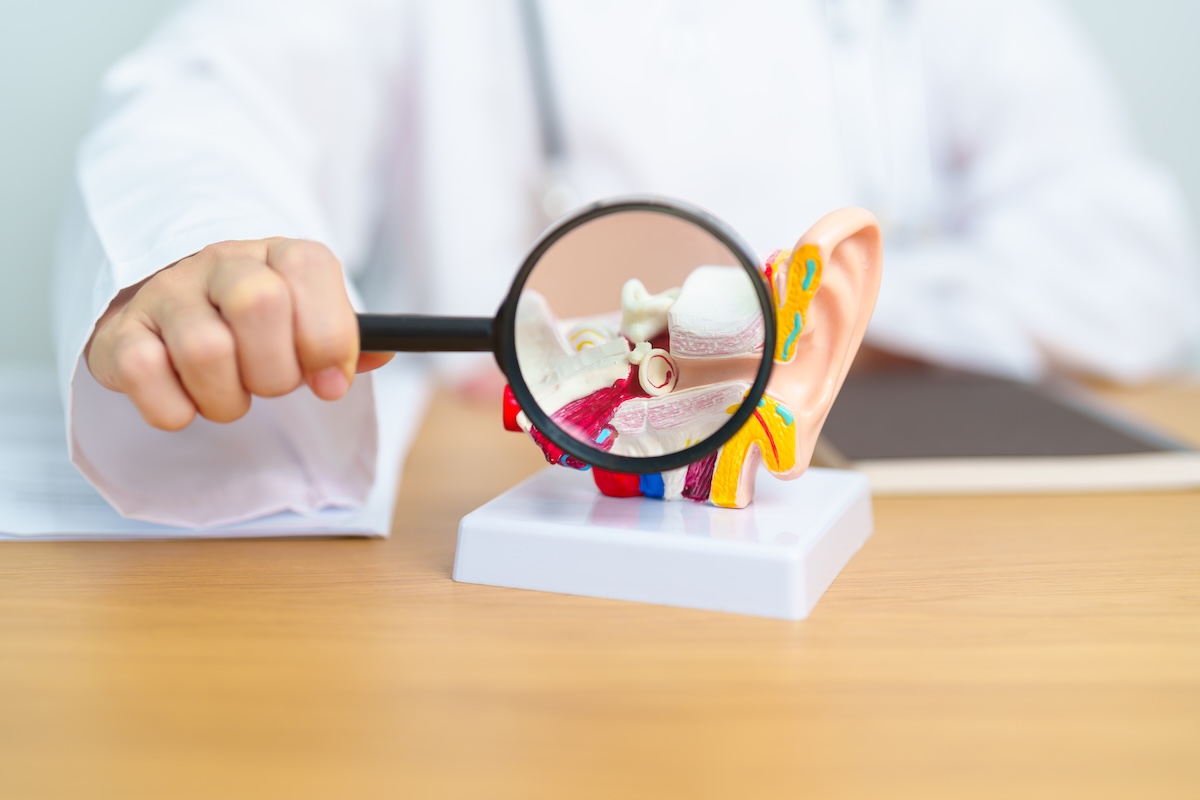
Ear Sounds During Jaw Movement
Yawning often triggers jaw sounds. While sometimes normal, persistent sounds may indicate joint problems. Supporting the jaw with a hand while yawning may help, but professional evaluation is recommended.
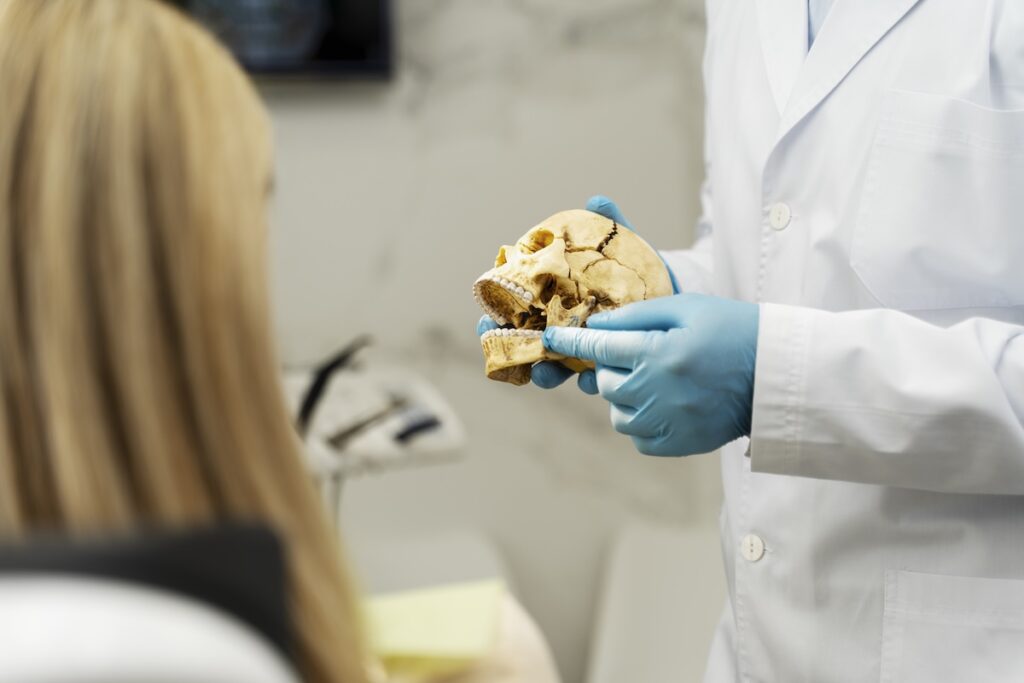
Treatment Methods for Jaw Joint Disorders
• Night Guard Therapy: Custom-made dental appliances used to prevent clenching and grinding, usually worn at night.
• Splint Therapy: A thicker, harder appliance tailored to the patient’s condition, requiring regular follow-ups.
• Masseter Botox: Applied to reduce muscle size, relieve pain from clenching, and improve jaw contour. Effects appear within 7–10 days and last approximately 6 months.