
Fear of the dentist is a very common issue among children. The dental chair can often be intimidating for them. Introducing children to regular dental check-ups at an early age helps reduce fear and anxiety. Preparing children for this process plays an important role.
Informing children before visiting the dentist, explaining what to expect, and reducing the fear of the unknown can be helpful. Using positive language during dental visits is very important. Words that may cause fear should be avoided, as this helps children feel more relaxed.
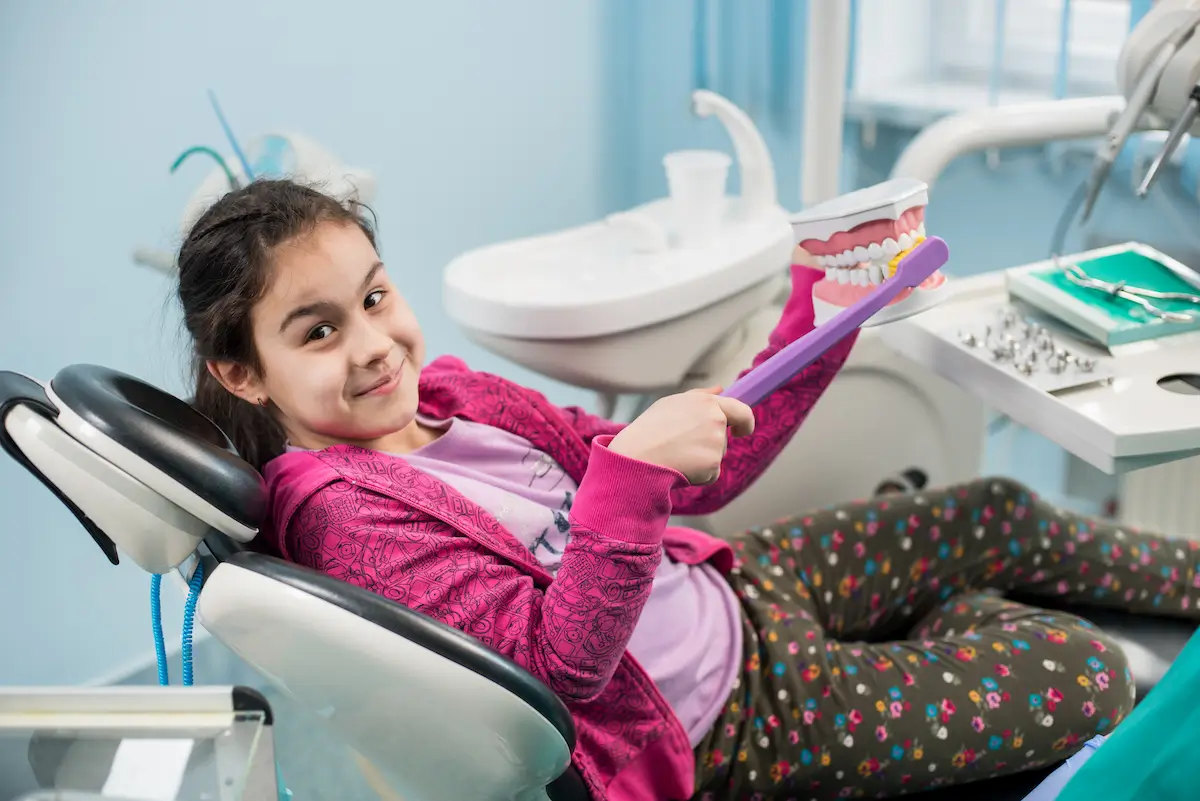
Allowing children to perform dental check-ups on stuffed animals or toys can help them overcome their fear of the dentist. Parents’ calm and supportive attitude plays a major role in changing the child’s perspective.
Progress should be made in small steps to help children get used to the dentist. During visits, simple procedures such as examinations and teeth cleaning should be performed until the child feels comfortable.
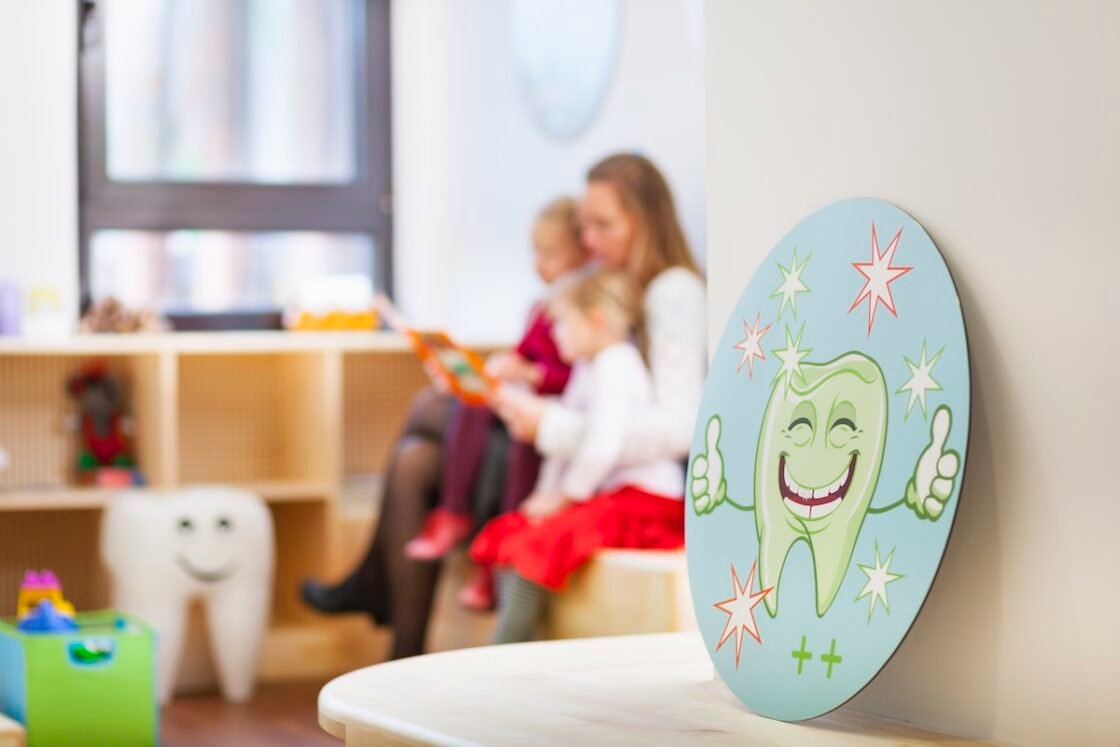
Explaining that dentists are there to help and are friendly increases trust. A calm and comforting environment can reduce fear. Rewarding children after visits can also increase motivation, such as doing a favorite activity together.

Why Does Fear of the Dentist Occur in Children?
Children may feel anxious due to fear of the unknown. Not knowing what will happen can cause fear. Negative past dental experiences can lead to lasting fear. Incorrect beliefs such as dentists wanting to cause pain or extract teeth can increase anxiety. If parents have dental fear, children may develop similar fears. Children may believe dental visits will be painful and distressing.
Why Are Regular Dental Check-Ups Important for Children?
Regular check-ups help detect potential oral and dental problems early. Children’s teeth are prone to cavities; during routine visits, dentists clean teeth and prevent plaque and tartar buildup, helping control tooth decay.
Since children’s teeth and jaw structures change rapidly, dentists can monitor their development during regular check-ups. Dentists also teach proper brushing, flossing, and healthy nutrition habits. Healthy teeth and a pleasant appearance boost children’s self-confidence. Dentists may also perform oral screening tests when necessary, allowing serious problems to be detected early.