

Nombreuses sont les personnes qui ignorent qu'elles serrent ou grincent des dents pendant leur sommeil. Pourtant, ce grincement peut avoir des conséquences importantes non seulement sur la santé dentaire, mais aussi sur le sommeil et la qualité de vie en général. Si vous vous sentez fatigué(e) au réveil, si vous manquez d'énergie tout au long de la journée ou si vous souffrez fréquemment de maux de tête, le grincement des dents pourrait en être une des causes.

Pendant le sommeil, notre corps entre dans une phase de repos et de récupération. Cependant, chez les personnes qui grincent ou serrent les dents, les muscles de la mâchoire restent actifs toute la nuit. Cela empêche les muscles de se détendre complètement et peut également provoquer de brèves périodes d'éveil pendant le sommeil. Même si la personne ne se réveille pas complètement, la qualité du sommeil peut diminuer, ce qui donne une sensation de fatigue au réveil.
La phase de sommeil profond est particulièrement importante pour la récupération et la régénération physique. Lorsque cette phase est interrompue de façon répétée par le bruxisme (grincement des dents), le corps ne peut récupérer efficacement. Il peut en résulter des symptômes tels que fatigue matinale, difficultés de concentration, manque d'attention, faiblesse et baisse d'énergie tout au long de la journée.
Les douleurs à la mâchoire et les maux de tête matinaux sont fréquents chez les personnes souffrant de bruxisme (grincement des dents). Ceci est dû à l'activité excessive des muscles de la mâchoire pendant la nuit. Certaines personnes peuvent également ressentir une sensibilité au niveau des tempes, des tensions musculaires faciales, voire des douleurs cervicales.
Une baisse de la qualité du sommeil peut à terme affecter l'humeur. Un sommeil de mauvaise qualité augmente le stress, et un stress accru peut aggraver le grincement des dents. Par conséquent, les personnes concernées peuvent se retrouver prises dans un cercle vicieux. Avec le temps, cela peut entraîner irritabilité, impatience, manque de motivation et hypersensibilité émotionnelle.
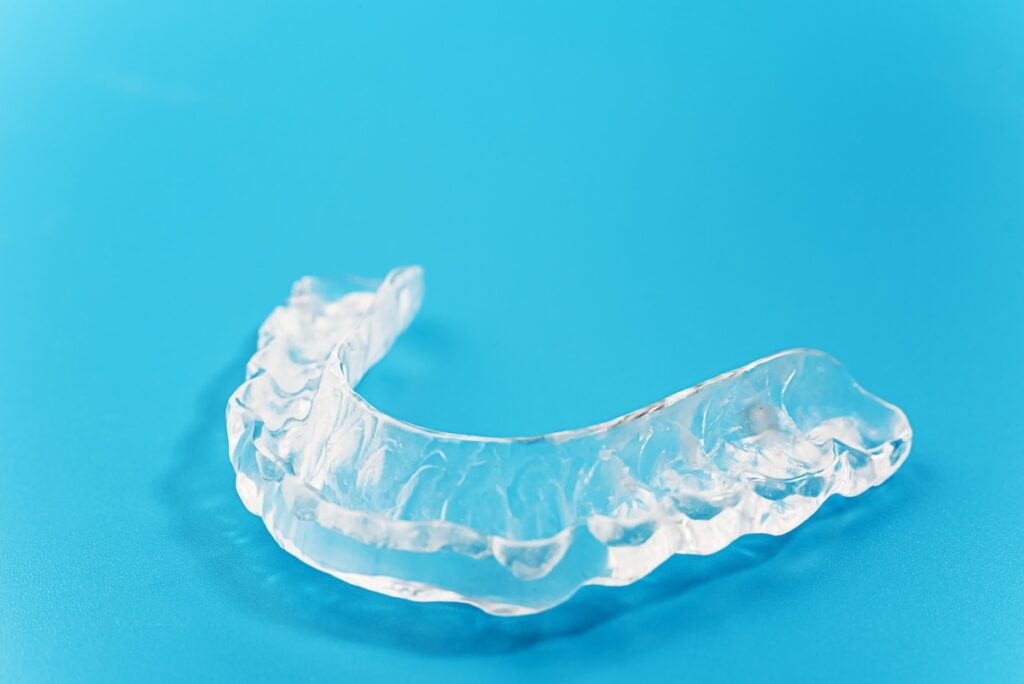
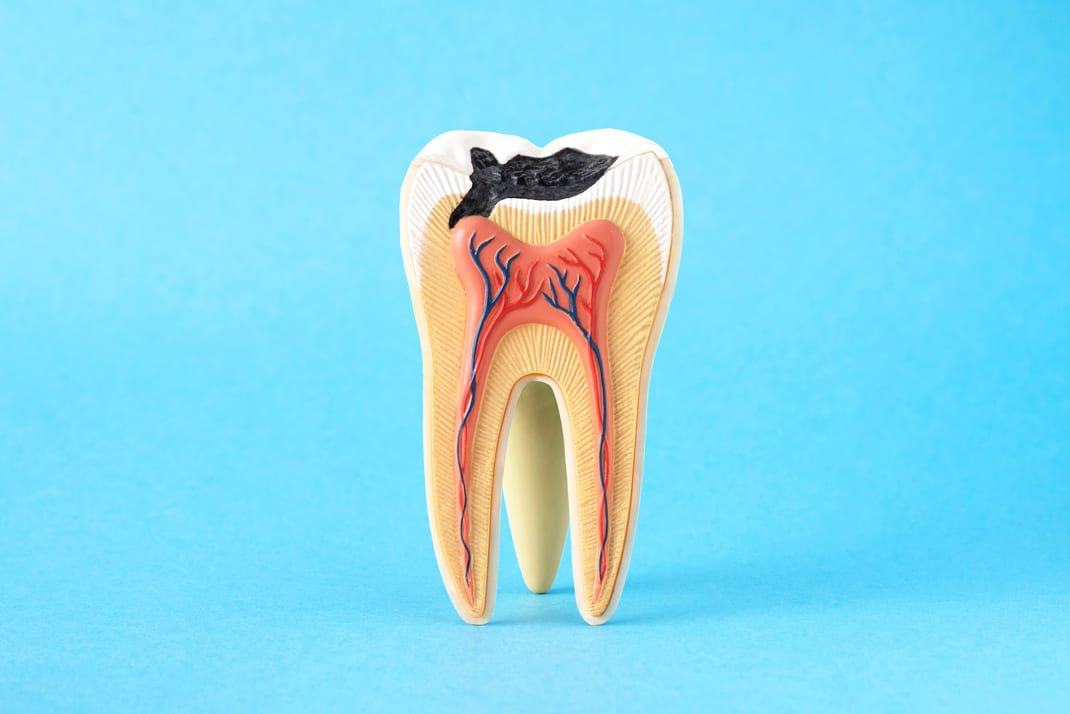
Si elle n'est pas traitée pendant une longue période, la bruxisme peut nuire non seulement à la qualité du sommeil, mais aussi à la santé bucco-dentaire. À terme, il peut entraîner une usure des dents, une sensibilité dentaire, des fissures, des fractures et des troubles de l'articulation temporo-mandibulaire. Il est donc primordial de reconnaître les symptômes précocement et de prendre les mesures appropriées.
Si vous ressentez une fatigue de la mâchoire le matin, des maux de tête au réveil, une fatigue constante durant la journée ou une sensibilité dentaire accrue, il est conseillé de consulter un dentiste. Après un examen approfondi, la cause du problème pourra être identifiée et des traitements adaptés pourront vous être proposés.
Le bruxisme est une affection qui peut altérer la qualité de vie bien plus qu'on ne le pense. Il est essentiel d'être attentif aux symptômes et de consulter un professionnel pour préserver un sommeil sain et réparateur.