
مقدمة
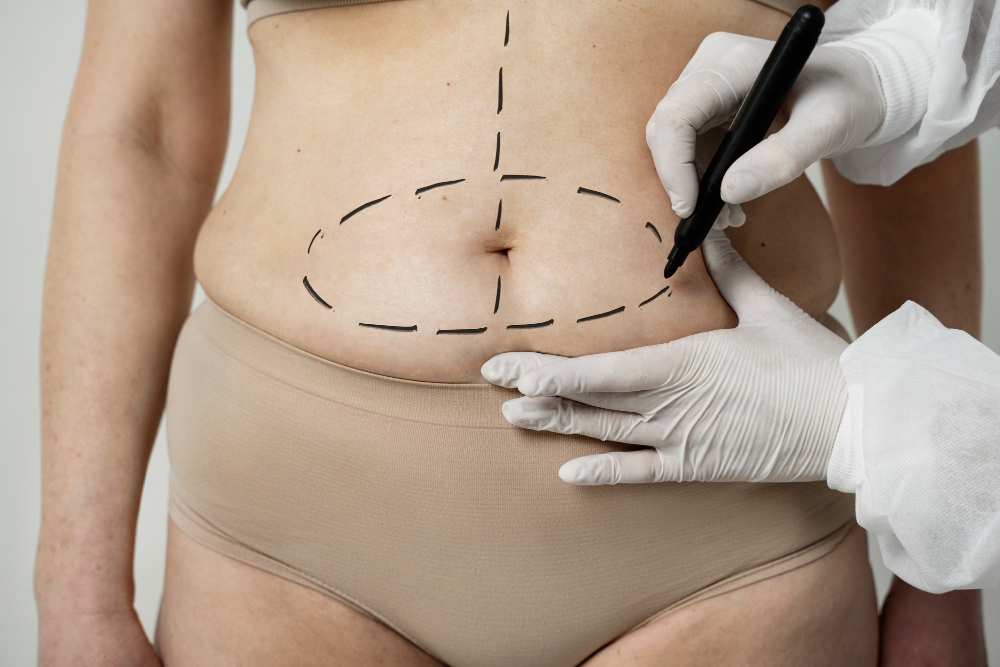
تُعدّ السمنة من أبرز التحديات الصحية في عصرنا، إذ تُصيب ملايين الأشخاص حول العالم. وعندما لا يكفي النظام الغذائي والرياضة وحدهما، تُقدّم جراحة السمنة حلاً فعالاً وطويل الأمد. ومن بين أكثر الإجراءات شيوعاً ما يلي: تكميم المعدة (تكميم المعدة) و تحويلة المعدة (عملية تحويل مسار المعدة Roux-en-Y). تهدف كلتا العمليتين الجراحيتين إلى مساعدة المرضى على إنقاص الوزن الزائد، وتحسين صحتهم، وتعزيز نوعية حياتهم. ولكن ما الفرق بينهما، وأيهما الأنسب لك؟
ما هي عملية تكميم المعدة؟
تتضمن عملية تكميم المعدة إزالة ما يقارب 70-80% من حجم المعدة، تاركةً وراءها معدة أصغر حجماً على شكل كم. هذه المعدة الأصغر تحد من كمية الطعام المتناولة وتقلل من الشعور بالجوع عن طريق خفض إنتاج هرمون الجريلين، المعروف باسم "هرمون الجوع".
الفوائد الرئيسية:
- تقنية جراحية أبسط مقارنة بالتحويلة الجراحية
- انخفاض خطر نقص الفيتامينات
- نتائج ممتازة للمرضى الذين يعانون من السمنة المتوسطة
- متوسط فقدان الوزن الزائد يتراوح بين 60 و70 رطلاً خلال 1-2 سنة
ما هي عملية تحويل مسار المعدة؟
تتضمن جراحة تحويل مسار المعدة إنشاء جيب صغير في الجزء العلوي من المعدة وتوصيله مباشرة بالأمعاء الدقيقة. وهذا يختصر جزءًا من المعدة والأمعاء، مما يقلل من كمية الطعام المتناولة وامتصاص العناصر الغذائية.
الفوائد الرئيسية:
- فقدان الوزن بشكل ملحوظ وسريع (حتى 70-801 من الوزن الزائد)
- فعال للغاية للمرضى الذين يعانون من السمنة المفرطة أو المشاكل الصحية ذات الصلة (مرض السكري، ارتفاع ضغط الدم، انقطاع النفس النومي).
- نتائج مثبتة على المدى الطويل
- يحسّن الحالات المرتبطة بالسمنة بشكل أكثر فعالية من عملية تكميم المعدة في بعض الحالات
الاختلافات الرئيسية بين تكميم المعدة وتحويل مسار المعدة
- التعقيد الجراحي
- تكميم المعدة: إجراء أبسط وأقصر.
- تحويل مسار المعدة: أكثر تعقيداً، ويتضمن إعادة توجيه الأمعاء.
- فقدان الوزن
- تكميم المعدة: 60-70% من فقدان الوزن الزائد.
- تحويل مسار المعدة: 70-80% من فقدان الوزن الزائد.
- امتصاص العناصر الغذائية
- تكميم المعدة: تأثير أقل على امتصاص العناصر الغذائية.
- جراحة تحويل مسار المعدة: خطر أكبر للإصابة بنقص الفيتامينات والمعادن؛ تتطلب تناول مكملات غذائية مدى الحياة.
- ملاءمة
- تكميم المعدة: يُنصح به للمرضى الذين يعانون من السمنة المفرطة.
- تحويل مسار المعدة: أفضل للمرضى الذين يعانون من السمنة المفرطة ولديهم مشاكل صحية إضافية.
من هو المرشح المناسب؟
- تكميم المعدة:
- المرضى الذين لديهم مؤشر كتلة الجسم من 35 إلى 40 ولا يعانون من مشاكل صحية كبيرة
- الأفراد الذين يسعون إلى إجراء جراحة أبسط بمخاطر أقل على المدى الطويل
- المرضى الذين يرغبون في نتائج قوية ولكن معتدلة في إنقاص الوزن
- تحويل مسار المعدة:
- المرضى الذين يزيد مؤشر كتلة الجسم لديهم عن 40
- المرضى الذين يعانون من أمراض مرتبطة بالسمنة (مثل مرض السكري من النوع الثاني)
- أولئك الذين يحتاجون إلى نتائج أكثر دراماتيكية وسرعة
التعافي وتغييرات نمط الحياة
يتطلب كلا الإجراءين تعديلات في نمط الحياة لضمان النجاح على المدى الطويل:
- اتبع نظامًا غذائيًا منظمًا، بدءًا بالسوائل والأطعمة اللينة.
- تناول وجبات أصغر حجماً وغنية بالعناصر الغذائية.
- مارس الرياضة بانتظام لدعم فقدان الوزن والصحة العامة.
- تناول المكملات الغذائية (وهذا مهم بشكل خاص بعد عملية تحويل مسار الشريان التاجي).
- احضر مواعيد المتابعة مع فريق جراحة السمنة الخاص بك.
لماذا تختار تركيا لإجراء جراحة السمنة؟
- جراحون خبراء: يحظى جراحو السمنة الأتراك باعتراف عالمي لخبرتهم.
- عيادات متطورة: المستشفيات مجهزة بأحدث التقنيات وتفي بالمعايير الدولية.
- تكاليف معقولة: تكلفة الإجراءات أقل بكثير مما هي عليه في الولايات المتحدة أو أوروبا.
- الرعاية الشاملة: تشمل الباقات الفحوصات قبل الجراحة، والإقامة في المستشفى، والدعم بعد الجراحة، والإقامة.
- مزايا السياحة العلاجية: يستمتع المرضى بكرم الضيافة والثقافة التركية بينما تتحسن صحتهم.
خاتمة
تُعدّ كلٌّ من عملية تكميم المعدة وعملية تحويل مسار المعدة من العمليات الجراحية الفعّالة لإنقاص الوزن، ولكنّ الاختيار الأمثل يعتمد على الحالة الصحية والأهداف ونمط الحياة لكلّ فرد. تُعتبر عملية تكميم المعدة أبسط وأكثر أمانًا للعديد من المرضى، بينما تُقدّم عملية تحويل مسار المعدة نتائج أفضل لمن يعانون من السمنة المفرطة وما يرتبط بها من مشاكل صحية.
في مركز إنسي للتجميلنقدم استشارات شخصية لمساعدة كل مريض على اختيار الإجراء الأنسب لاحتياجاته الخاصة. بفضل جراحينا ذوي الخبرة ومرافقنا الحديثة، نضمن إجراء عمليات جراحية آمنة، ونتائج تُغير حياة المريض، ودعمًا مستمرًا طوال رحلة إنقاص الوزن.